Time Walk
A Street Older Than Its Own Estate


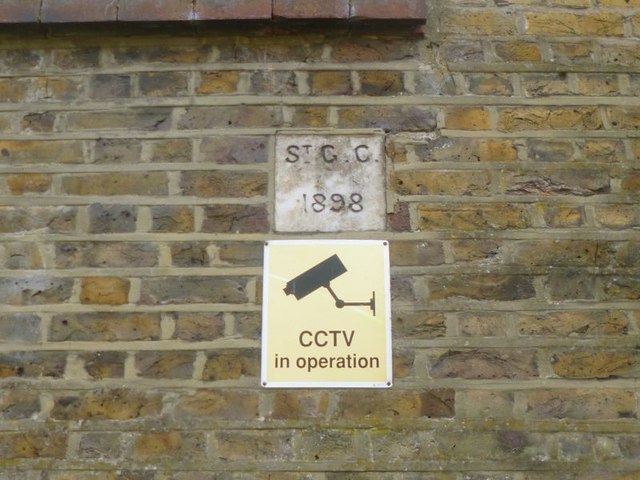
This Brixton street was already there before the smart terraces around it were planned. Today it runs broad and busy, lined for long stretches with close-set terraced houses. One house part way along, grander and more ornate than its neighbours, stops passers-by without most of them knowing why.
Beneath the modern street lies an older road, once marked on maps as Loughborough Road North, laid out before the Minet Estate grew up around it. That earlier name is the first clue to a street whose own name the sources used here do not explain.
Name Origin
Loughborough Road North, Renamed
Akerman Road once went by a different name. At some point it was renamed, the name it carries today.
The sources used here do not explain where the name "Akerman" itself came from. What they do show is that the road's layout came first and its present identity second — a street that outlasted its own original name.
History
From Lambeth Wick to the Minet Estate
Akerman Road belongs to the earliest wave of streets built on the former Lambeth Wick Estate, alongside Claribel Road and Loughborough Road, now part of a protected area.
North of Burton Road, only the east side of the street sits within that protected area, lined with short terraces of fairly modest houses with bay windows. South of Burton Road, down to Loughborough and Lilford Roads, the street changes character: taller terraces built in the 1860s stand close to the pavement on both sides, banded in red brick on the east side. No. 2 is a mid-19th-century house with a decorated front; Nos. 4–6 are plainer houses of the same period.
On the northern stretch of Akerman Road, only the east side of the street falls within the protected Minet Conservation Area — cross to the west pavement and you step outside it entirely.
Culture
A Comedian's Joke at the Hammelton
The Hammelton Hotel was more than a pub; it was a hub for local clubs. Four years after the fundraiser, in 1902, the planning committee for one of Leno's comedy cricket matches at the Oval met at the same hotel, with its landlord J W Monk serving as Treasurer.
People
The King's Jester and the Postmaster's Family
Dan Leno, born George Wild Galvin in 1860 near St Pancras into an entertainment family, joined his parents on stage young and became famous for his clog dancing, winning the world championship at Leeds in 1880. He took the stage name Dan Leno in 1884 and began appearing in London that year, building a reputation on comic characters rather than jokes, and playing pantomime dame at the Theatre Royal, Drury Lane, from 1888 to 1904.
He married Sarah Lydia Reynolds, a dancer and comedy singer from Birmingham, in 1884, and the couple had six children between 1884 and 1896. Between 1898 and 1901, at the peak of his fame, the family lived at 56 Akerman Road. In 1901 he performed for Edward VII at Sandringham and was dubbed "the king's jester" before moving to Springfield House in Clapham Park. He died in 1904, aged 43, and had performed alongside Herbert Campbell on stage and screen.
A quieter story unfolded at No. 43. Edward Spackman, born in Russell Street, Brixton in 1857, married Eliza Vickery in 1884 and became Postmaster there by 1895. Their daughter Ruby Bessie was born in 1885 but died in 1901, aged 16 — the same year her father had already died, in 1899, aged 42. Eliza remarried George Septimus Fussell and kept running the post office until 1911.
"the king's jester"Layers of London, "Dan Leno, 56 Akerman Road" [1898-1901]
Recent Times
Two Losses in the 1970s
The 1970s reshaped this corner of the street. The side of Akerman Road holding No. 43 was demolished around 1974. The Hammelton Hotel was pulled down in the same decade as part of building the Myatt's Fields North Estate.
Elsewhere redevelopment left gaps still being filled: Nos. 65 to 69 Loughborough Road, within the Akerman Road redevelopment area, remained unprogrammed.
Today
Two Streets in One
Walk Akerman Road today and it still splits in two. North of Burton Road, modest terraces with bay windows face the protected area boundary on the east side only. South of it, taller 1860s terraces line both sides down to Loughborough and Lilford Roads, interrupted by newer infill built to match at Nos. 1–31.
No. 56 still stands out, its Venetian Gothic front marking the house where the king's jester once lived. The pub and the post office he knew are gone, but the road that pre-dates the Minet Estate around it is still the spine of the street.
On the Map
Akerman Road Then & Now
Frequently Asked Questions
Why is it called Akerman Road?
The sources used here do not explain the origin of the name. The road pre-dates the Minet Estate around it and was formerly marked on maps as Loughborough Road North before being renamed Akerman Road.
What is Akerman Road known for?
It is known for No. 56, where music hall star Dan Leno lived between 1898 and 1901 at the height of his fame, now marked with an English Heritage blue plaque.
Did Dan Leno really live on Akerman Road?
Yes. He lived at 56 Akerman Road from 1898 to 1901, during which time he performed for Edward VII at Sandringham in 1901 and was called "the king's jester".
What happened to the Hammelton Hotel on Akerman Road?
The Hammelton Hotel, built in the 1860s, was demolished in the 1970s as part of building the Myatt's Fields North Estate. Dan Leno was a member of its cycling club.