London England About Methodology
Britain's Street Name Archive

Every street
has a story.

The history and etymology of every street name in Britain — from Roman roads to Victorian terraces, told with depth and care.

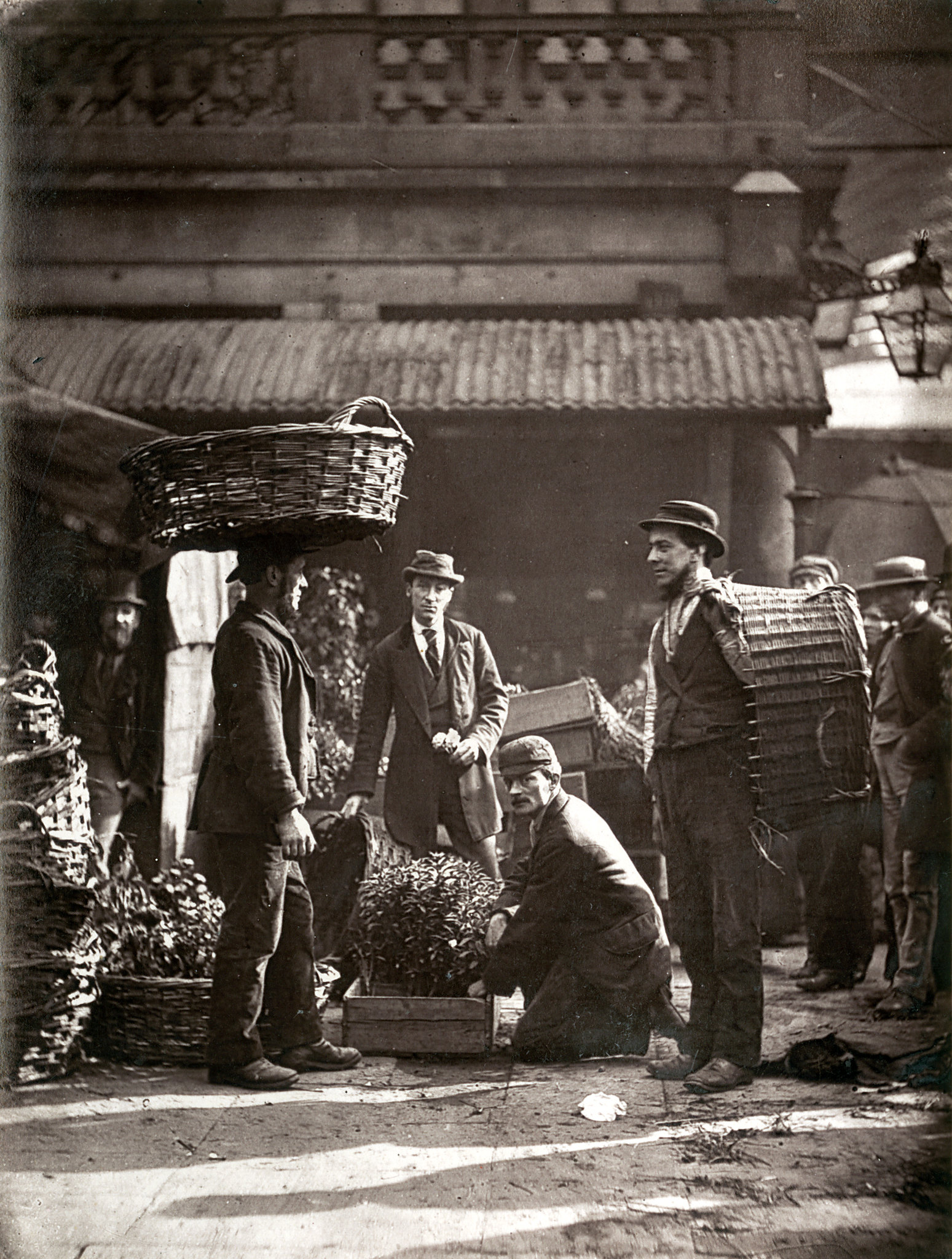
Covent Garden market, c.1880s
c. 1880 Covent Garden
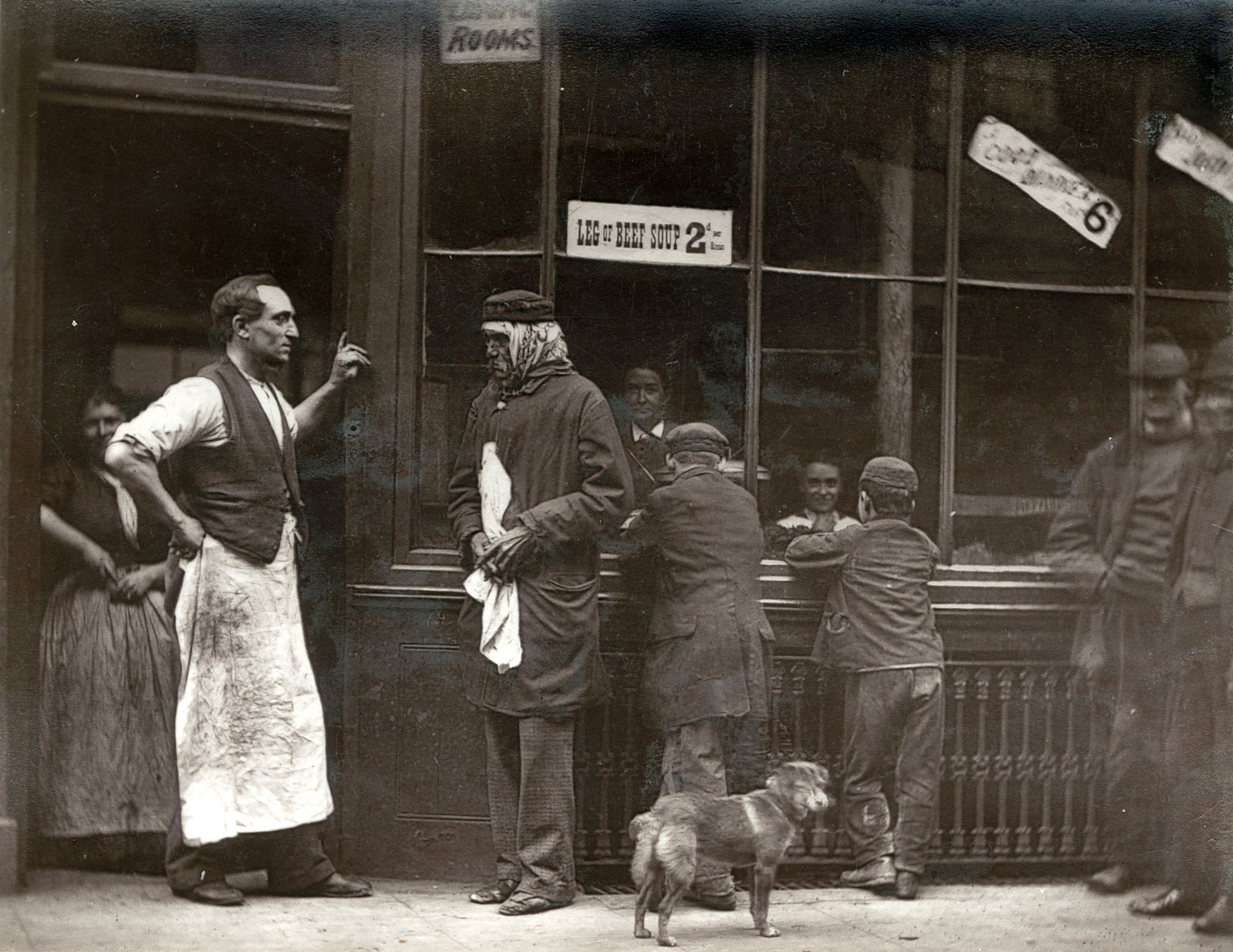
Drury Lane, c.1901
c. 1901 Drury Lane
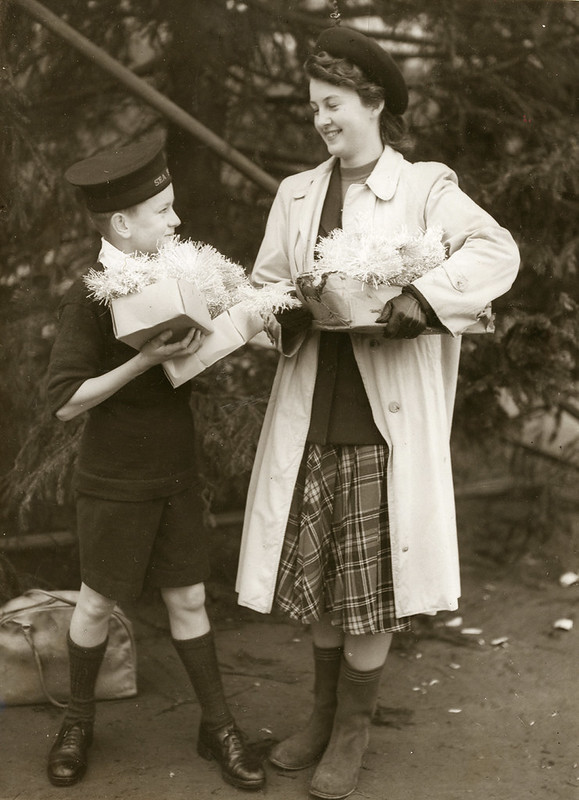
Trafalgar Square, c.1948
c. 1948 Trafalgar Square
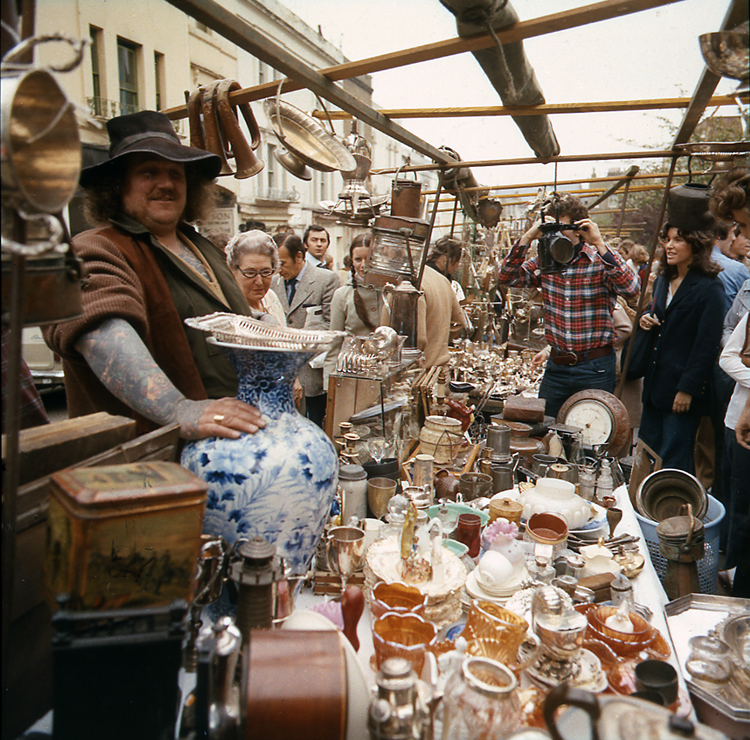
Portobello Road market, 1970s
c. 1975 Portobello Road
Streets published
266
Boroughs active
14
Years of history
2,000+
Now live
Starting with London

14 inner London boroughs — researched from primary sources, published borough by borough.

216 streets
Southwark
T1 · T2 · T3
3 streets
Camden
In progress
3 streets
City of London
In progress
1 street
Greenwich
In progress
2 streets
Hackney
In progress
4 streets
Hammersmith & Fulham
In progress
1 street
Islington
In progress
1 street
Kensington & Chelsea
In progress
34 streets
Lambeth
In progress
Coming soon
Lewisham
In progress
Coming soon
Newham
In progress
Coming soon
Tower Hamlets
In progress
Coming soon
Wandsworth
In progress
Coming soon
Westminster
In progress
Featured streets
Where to begin

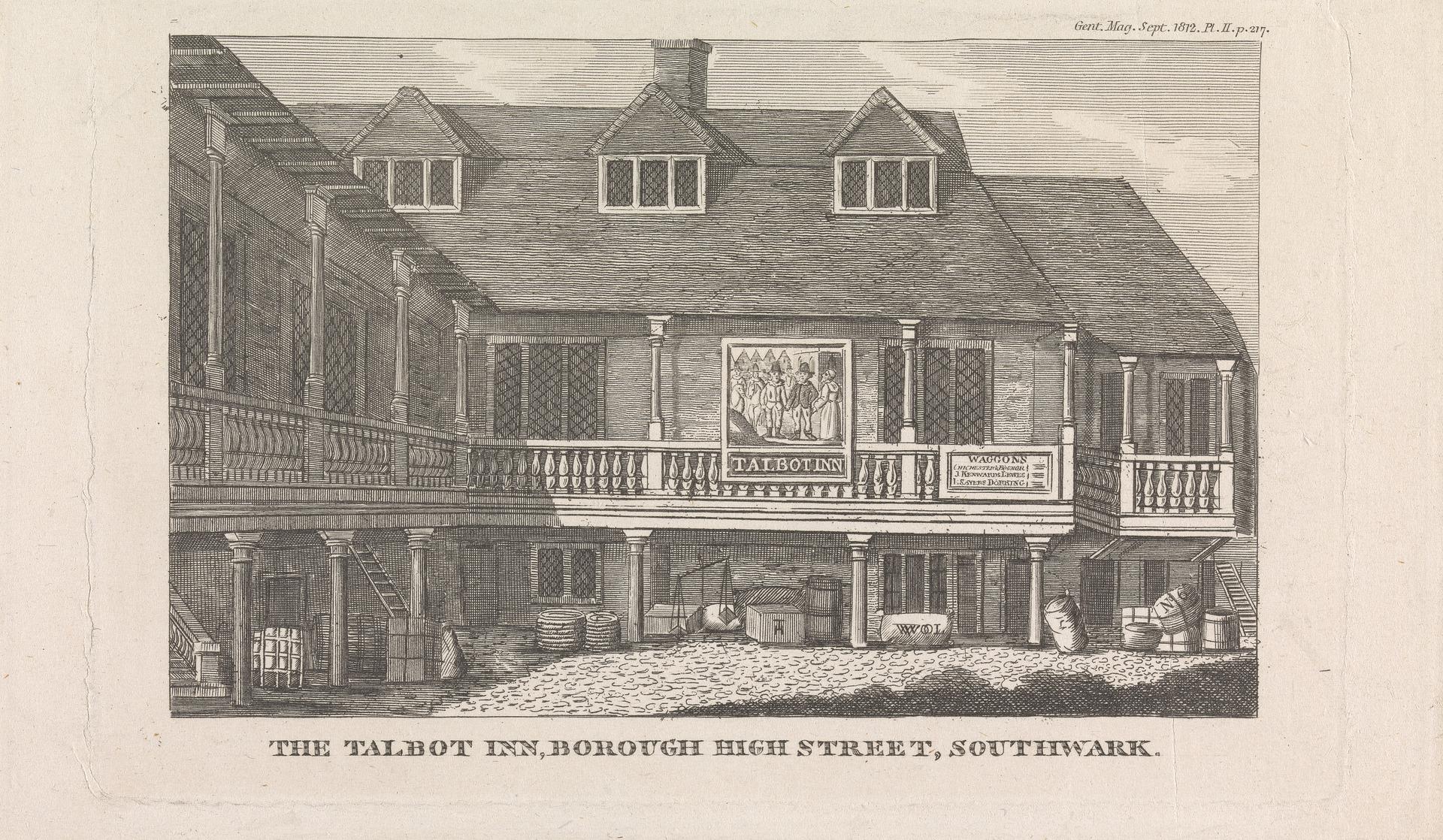
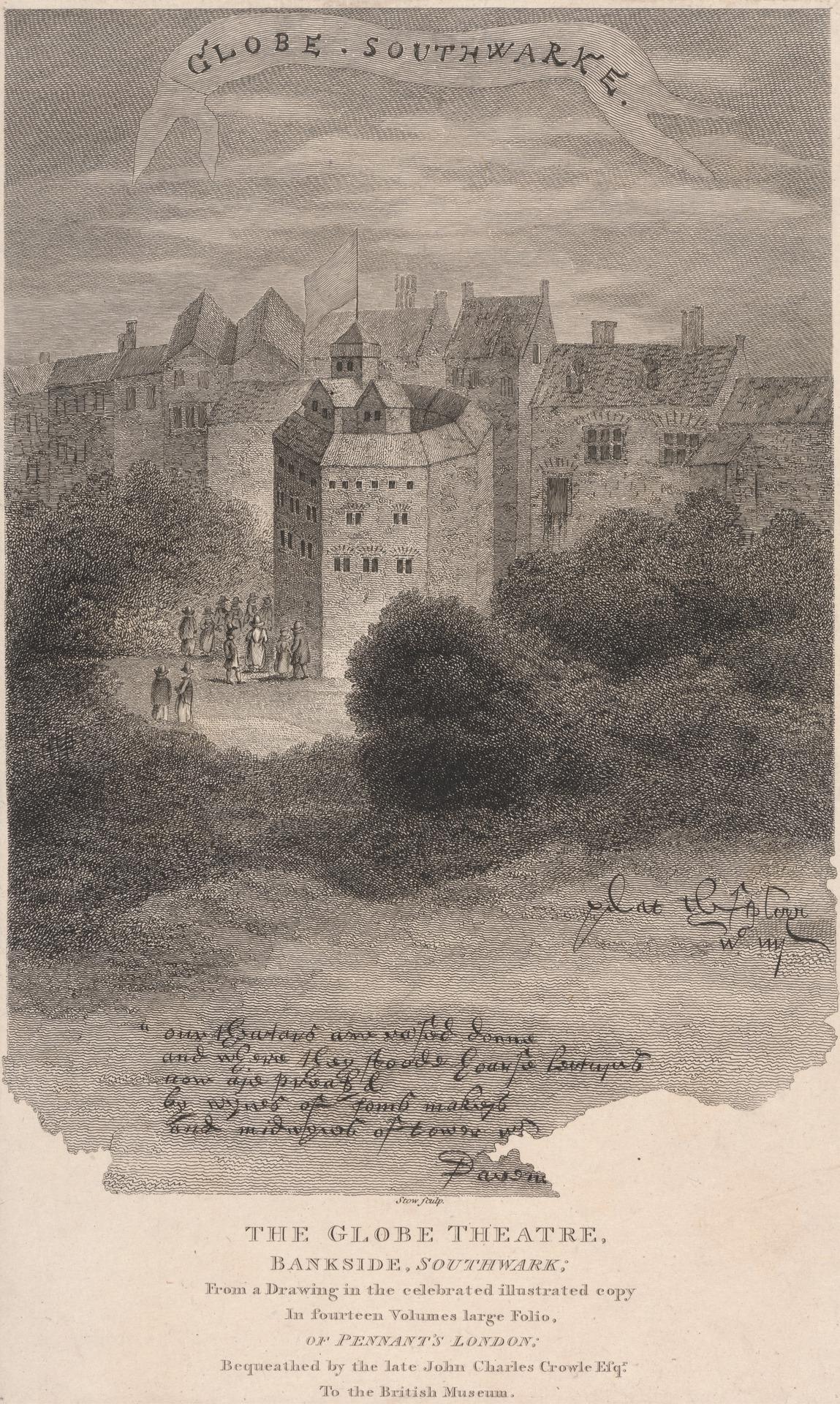
Three streets that tell the full range of Southwark's history.

The names we walk past every day

Street names are the oldest layer of language still in active daily use. They carry Saxon field patterns, Norman estate boundaries, Victorian civic ambition and Georgian property speculation — often all on the same block.

Street Origin exists to make that history legible. Every entry is researched from primary sources: historical maps, court rolls, estate records, trade directories. No guesswork, no padding.

We started with Southwark — one of London's most historically layered boroughs — and we're expanding borough by borough, city by city, across Britain.

"A street name is a compressed history — a sentence that survived while everything around it changed."
Street Origin methodology