Time Walk
A Street Built to a Plan


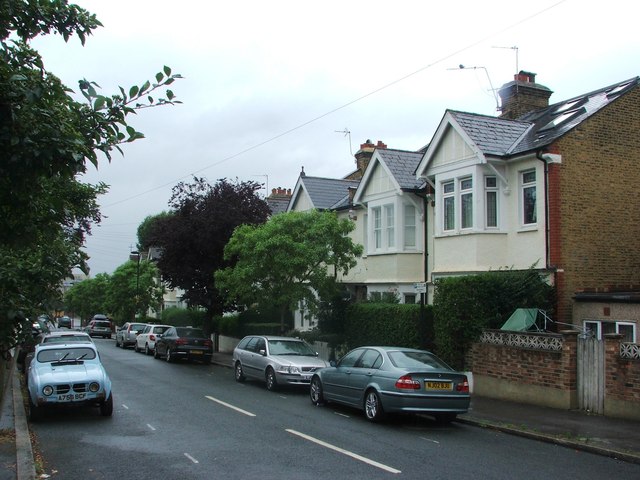
This road was planned, not grown — one of two main streets laid down for a single Victorian housing estate. The houses that still line it descend from a short, deliberate burst of building in the 1870s.
Underneath the terraces lies a boundary line. Lowden Road, together with Poplar Walk and Milkwood Road, once marked the edge of the Milkwood and Wickwood estate. That older, rural division is the thread worth carrying into what the name itself might mean.
Name Origin
An Estate Street Without an Explained Name
Lowden Road was one of two main streets of a suburban estate laid out by the architects W. G. Habershon and A. R. Pite, on land leased from the Ecclesiastical Commissioners in the Milkwood and Wickwood area, from 1868. The sources used here do not explain where the name "Lowden" itself came from.
History
From Church Land to Brick and Mortar
Building followed in stages. In 1872, five houses went up on the road at a cost of £1,739. By 1896 the Ecclesiastical Commissioners still held properties along it, a sign of how long their interest in the estate persisted.
Culture
A Memorial in the Former Church
On the Map
Lowden Road Then & Now
Frequently Asked Questions
Why is it called Lowden Road?
The sources used here do not explain the origin of the name. What is known is that it was laid out from 1868 as one of two main streets of the Milkwood and Wickwood estate, built on land leased from the Ecclesiastical Commissioners.
What is Lowden Road known for?
It was one of the two principal streets of a planned Victorian suburban estate, developed from 1868 by architects W. G. Habershon and A. R. Pite on Ecclesiastical Commissioners' land, with houses still being built there into the 1870s.
Is there a war memorial on Lowden Road?
Yes. A First World War memorial stands in the former St John's church on Lowden Road.