Richard Shawe’s fortune came from law, specifically from one of the longest and most costly trials in eighteenth-century Britain. Between 1788 and 1795, as Warren Hastings faced impeachment in the House of Commons on charges of corruption and abuse of power in his governorship of Bengal, Shawe argued the defence case through seven gruelling years of proceedings. When Hastings was finally acquitted, Shawe’s share of the legal fees was substantial. He used it to build a country seat away from the smoke and congestion of the City, commissioning John Nash’s contemporary architectural genius.
1788–95
Hastings Trial
Warren Hastings impeached and defended by Shawe through seven-year case.
c. 1797
Casina Built
Shawe commissions Nash to design house; Humphry Repton landscapes grounds with ornamental lake.
1816
Shawe Dies
Richard Shawe dies aged 61; buried in Dulwich Old Burial Ground with Grade II listed monument.
1906
House Demolished
Urban expansion forces demolition of Casina House after 109 years.
1920–22
Estate Developed
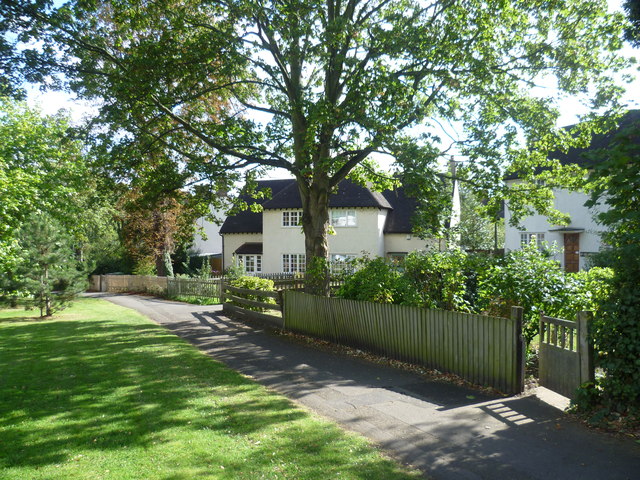
Land leased to Camberwell Borough Council; housing built as 'Homes fit for Heroes' post-WWI scheme.
Did You Know?
After Richard Shawe's death in 1816 the property was let to a series of tenants, one of whom is reputed to have been Joseph Bonaparte, Napoleon's brother.
What distinguished Casina House was not merely its architectural pedigree but the sophistication of its grounds. The architect of the house was John Nash and the landscaped gardens were designed by Humphry Repton. An illustrated description of the house and grounds, which included a kitchen garden and hothouse, was published in 1804. This made special mention of Repton's conversion of flooded, spring-fed brick pits at the lower end of the site into an ornamental fishing lake. The ornamental lake was no mere folly—it represented Repton’s signature technique of incorporating natural water features into designed landscapes. By the early 20th century, as London sprawled southward from Walworth and Peckham, the estate’s rural character became untenable. One of the requirements of the Governors was that the lake and land around it (amounting to about 4½ acres) should be preserved as open space with free public access. That stipulation ensured that when the houses were built, Sunray Gardens emerged to preserve at least a fragment of Repton’s vision.