Time Walk
The Bypass That Became a Landmark


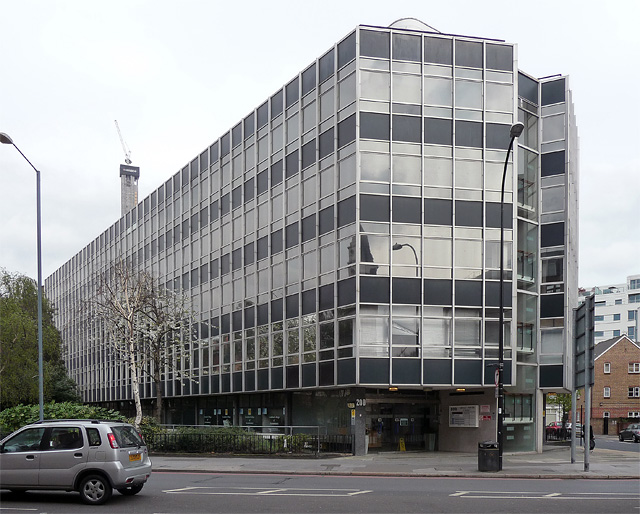
Great Dover Street is a road built to escape a road. In the 1740s, traffic south from London choked the old Kent Street route through Borough; the answer was a new bypass, opened in 1750, sweeping drivers and carts past the congested centre and out towards the south-east ports. Two and a half centuries later, it remains the main A2, channelling traffic the same way. A preacher lodged here, student halls now crowd both sides, and once, in a telephone box near its middle, £47,245 of stolen bank money sat waiting for collection. The road meant to speed people onwards has become the place where stories accumulate.
Name Origin
The Port Road
The name indicates an improved route out of the city towards Dover and the south-east ports — 'great' denoting a road of consequence, newly made, engineered for through traffic rather than local trade. The street emerged from a turnpike improvement scheme in 1750, conceived as a bypass for the old, congested Kent Street route that had served London's southbound traffic for centuries. Toll-paying travellers heading to the Channel ports would use the new thoroughfare; cargo, mail, and merchants would benefit from a straighter, faster route, per Wikipedia. A network of such 'great' roads began to stitch England together in this era, each named for where it led.
History
From Turnpike to Parliamentary Road
In 1750, turnpike trustees opened Great Dover Street as a new bypass, routing traffic away from the crowded Kent Street. The road was driven directly across the Trinity House Estate, one of the medieval charities that owned large tracts of land in South London, per Survey of London. The Corporation of Trinity House opposed the scheme, but the turnpike trustees prevailed.
In 1809, Parliament passed an Act creating Great Dover Street as a public road, confirming and extending the turnpike route. Trustees were appointed to complete and maintain it, again facing opposition from Trinity House, per the Survey of London. By 1814, through traffic had been fully diverted down Great Dover Street from Kent Street, making it the definitive southbound route out of Borough.
A marsh known as 'Stewfen' existed between Newington Causeway and Great Dover Street until the early 1800s, per Survey of London; the turnpike scheme had drained and built over it. By 1825, plots facing Great Dover Street were growing commercial crops on land that would later be covered by manufactory.
The Preacher
Charles Spurgeon, one of the most celebrated preachers of the Victorian age, lodged at No. 75 Great Dover Street in 1854–56, during his early and formative years in London ministry, per the Survey of London. A commemorative tablet recorded his residence; the building itself did not survive. Seriously damaged by enemy action in the Second World War, No. 75 was pulled down in September 1953.
The Robbery Money
On 3 December 1963, police found £47,245 stuffed in a telephone box on Great Dover Street. The money was part of the proceeds from the Great Train Robbery, one of the most audacious thefts in British criminal history, committed four months earlier. An intermediary acting for Buster Edwards, one of the robbery's key figures, had left the cash as a dead drop. The recovery became a significant moment in the police investigation, per Wikipedia.
Modern Development
By the twentieth century, Great Dover Street had become a major institutional address. The Roebuck pub, dating from the original turnpike development, was rebuilt in 1892 and remains one of three pubs on the street. Sidney Webb House, a London School of Economics hall of residence, contains approximately 1,000 bedsitting and study units. Great Dover Street Apartments serves King's College London students at the nearby Guy's Hospital Campus.
At its northwest end, Great Dover Street joins Borough High Street near Borough Underground station. It continues as the A2 road towards the south-east; at its southeast end stands the Bricklayers Arms roundabout, where the road becomes the Old Kent Road.
Culture
From Preacher to Crime Scene
Great Dover Street carries a curious double history in London's cultural memory. In the mid-nineteenth century, it was the address of a future evangelical legend. Charles Spurgeon, whose chapel in Southwark would later become a Victorian institution, lived here as a young minister building his congregation. The street was respectable, religious, and provincial in character.
By the 1960s, the street's notoriety had shifted entirely. The Great Train Robbery of August 1963 became one of the defining crimes of the decade, and Great Dover Street became part of its footnote history: the place where some of the stolen money was recovered, hidden in a red telephone box and waiting for collection. That incident has embedded Great Dover Street in true-crime memory ever since.
The street also hosts three surviving pubs — The Black Horse, The Roebuck, and Dover Castle. The Roebuck dates from the original turnpike era and was substantially rebuilt in 1892, making it the street's oldest continuously operating business and a physical link to the road's eighteenth-century origins.
Today
Corridor of the Modern City
Great Dover Street today is one of South London's busiest routes, funnelling traffic towards the A2 and the south-east in much the way the turnpike trustees intended in 1750. Student halls dominate both sides, with Sidney Webb House and Great Dover Street Apartments serving thousands of residents. Borough Underground station makes the street a major pedestrian corridor as well as a vehicle thoroughfare.
The built environment reflects layers of history. The Roebuck stands as the surviving relic of the eighteenth-century turnpike era. The massed residential accommodation of student halls — built in the late twentieth century — has transformed Great Dover Street into an extension of the university quarter around Guy's Hospital and the London School of Economics, unlike the mixed commercial and residential character it held in the nineteenth century.
What remains constant is function: a major route south, carrying the traffic that has moved through this corridor for nearly three hundred years. The name is the same; the purpose unchanged; only what moves along it keeps changing.
On the Map
Great Dover Street Then & Now
Frequently Asked Questions
Why is it called Great Dover Street?
Great Dover Street takes its name from its original purpose: an improved road leading out of London towards Dover and the south-east ports. The word 'great' indicates a road of significance, engineered for through traffic. The street was created in 1750 as a turnpike bypass to the congested old Kent Street route.
What is the connection to the Great Train Robbery?
On 3 December 1963, police found £47,245 from the Great Train Robbery hidden in a telephone box on Great Dover Street. An intermediary acting for robber Buster Edwards had left the money there as a dead drop. The recovery became a significant moment in the police investigation of the crime.
Who was Charles Spurgeon?
Charles Spurgeon (1834–1892) was one of the Victorian era's most celebrated Baptist preachers. He lodged at No. 75 Great Dover Street in 1854–56, during the early and formative years of his London ministry. A commemorative tablet recorded his residence, though the building itself was demolished in 1953 after Second World War damage.