Time Walk
Market Gardens Turned to Terraces


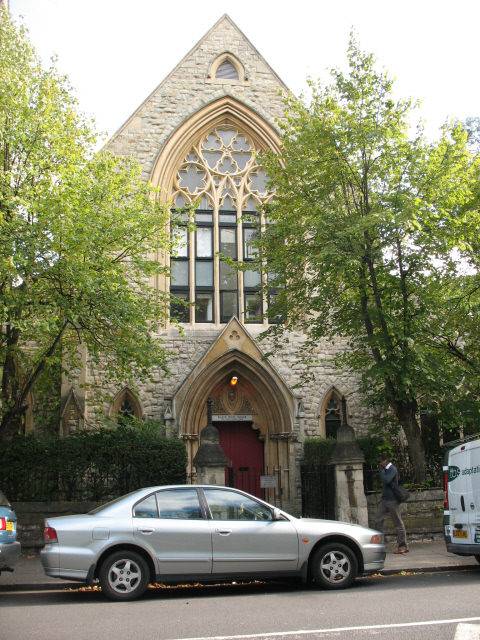
This street was carved from land once farmed as market gardens, part of the Minet family's estate south of Myatt's Fields. Walking it today, Victorian terraces line the east side against a run of 1970s council housing opposite. At the southern end, a tall corner building with a Venetian Gothic front marks the old Paulet Arms, long since closed as a pub.
Beneath the mix of Victorian brick and later infill lies a single estate plan, laid out plot by plot in the closing decades of the nineteenth century. That staged building, rather than any grand scheme, explains the street's patchwork of dates and styles — and sets up the question of where its name came from.
Name Origin
An Unexplained Choice
The sources used here do not explain why the street was named Paulet Road. It was one of a group of streets, including Knatchbull Road, laid across the Minet Estate as it was developed in the late nineteenth century.
History
Building Out the Minet Estate
By 1871 most of the Minet estate had already been divided into plots, and building was under way in Paulet Road, Knatchbull Road and the streets connecting them. A Lambeth Council survey instead dates the formal laying-out of Paulet Road itself to the 1890s. Nearby, the terraces on Denmark Road were going up in the 1870s, framing the junction where that street meets Paulet Road.
Culture
The Corner Pub
Recent Times
A 1970s Council Rebuild
In the early 1970s, Lambeth Council redeveloped the entire west side of Paulet Road. The new housing used yellow stock bricks and slates, a deliberate echo of the Victorian materials still standing opposite.
On the Map
Paulet Road Then & Now
Frequently Asked Questions
Why is it called Paulet Road?
The sources consulted do not explain the choice of name. It was one of the streets laid out on the Minet Estate in the late nineteenth century, alongside Knatchbull Road.
What is Paulet Road known for?
It is known as part of the Minet Estate, developed from the 1870s onward, and for the former Paulet Arms pub, a mid-19th century building with a Venetian Gothic front at 19-21 Paulet Road.
When was Paulet Road built?
Building was already under way in Paulet Road by 1871, though a Lambeth Council survey dates the street's formal layout, as part of the Minet Estate, to the 1890s.