Time Walk
Oaks Against a Common


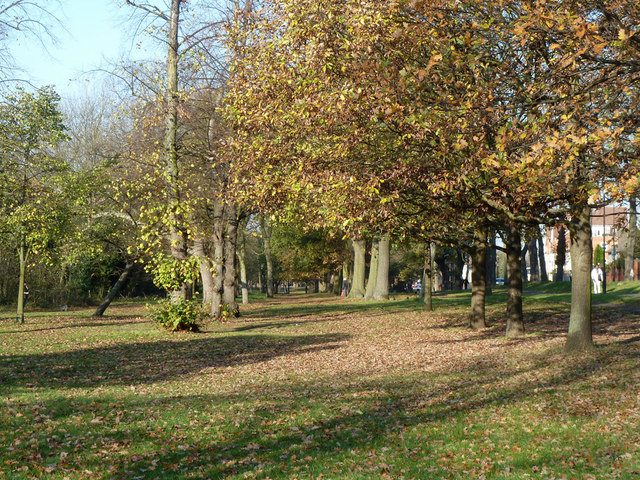
No one now knows why this street is called Garrad's Road — the name simply arrived and stayed. Walking it today, mature oaks line one side while large houses, set well back on generous plots, face the open common on the other.
Beneath the settled gardens lies a story of speculative Victorian building spreading from Streatham High Road, and of a large private house and grounds later broken up for new building between the wars. That layered growth gives the street its character — and leaves its own name unexplained.
Name Origin
A Name Without an Explanation
The sources used here do not explain where the name Garrad's Road comes from. It stands apart from its neighbours, several of which were deliberately named after places in the Lake District — Ambleside Avenue, Riggindale Road, Rydal Road and Thirlmere Road — when the land west of Streatham High Road was laid out in the late 1870s. Garrad's Road is not among those names, and nothing in the sources accounts for its own.
History
From the Woodlands Estate to the Woodfield Estate
The ground here was once part of a larger estate known as Woodlands. In the late 1870s the land between Streatham High Road and the Balham to Croydon railway line was laid out for speculative development, and by the mid-1880s the area was already half built up.
Further along, a large house and grounds called Woodfield still stood in 1929. In the mid-1930s the builders Wates Ltd bought Woodfield and laid out the Woodfield Estate, starting with houses fronting Bedford Hill. A conservation area was designated here in 1969, extended in 1999 — when it took the name Streatham Park & Garrad's Road Conservation Area — and again in 2002.
Today
Houses on the Common's Edge
Three houses on Garrad's Road stand out for their design. Normancroft is a large, symmetrical Arts and Crafts house set asymmetrically within a generous garden. No. 19 has swept gables, a turret with a weathervane, tall chimneys and roughcast walls, with bow windows of leaded timber casements. No. 23 is a double-fronted house of red brick, render and Bath stone, with a wide tiled roof and a carved stone doorway. No. 25 is a Neo Georgian house in mature grounds, grouped in character with No. 38 Tooting Bec Gardens.
Garrad's Road gives its name to the conservation area that covers it, even though the wider designated area is officially called the Streatham Park & Garrad's Road Conservation Area.
The grand detached houses facing Tooting Bec Common, set well back on generous plots, still give this stretch its settled look.
On the Map
Garrad's Road Then & Now
Frequently Asked Questions
Why is it called Garrad's Road?
The sources used here do not explain the origin of the name Garrad's Road. It is not among the nearby streets that were deliberately named after Lake District places in the 1870s.
What is Garrad's Road known for?
Garrad's Road is known for its oak-lined avenue, its large Arts and Crafts and Neo Georgian houses, and for giving its name to a conservation area on the edge of Tooting Bec Common, designated in 1969.
When was the Garrad's Road area built up?
The surrounding land was laid out for speculative development from the late 1870s and was already half built by the mid-1880s, with further building, including the Woodfield Estate, following in the 1930s.