Time Walk
Union Street's Second Name
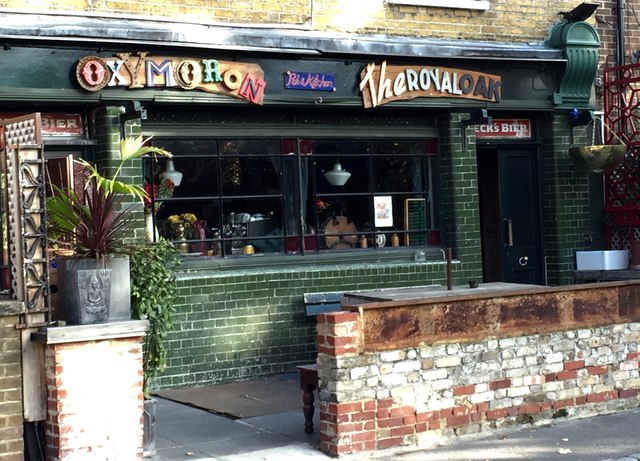
A narrow Victorian street quietly swapped its name for an archbishop's in 1893. Walking it today, the feel is more open than its terraced houses suggest, thanks to the lawned, tree-lined Lambeth Walk open space running along its southern edge. A corner pub, a school playground and a short run of early 20th-century housing give the street its texture.
Late Victorian maps show this ground packed tightly with housing on every side, a density long since thinned out. That older, denser Union Street lies just beneath the surface of the street now called Fitzalan Street.
Name Origin
An Archbishop Beside the Palace
The street was called Union Street until 1893. It was then renamed Fitzalan Street after Thomas Arundel (FitzAlan), who served as Archbishop of Canterbury in the early 15th century, according to Sheila Fairfield's The Streets of London: A Dictionary of the Names and Their Origins (1983). The naming is thought to reflect a connection with nearby Lambeth Palace, long the archbishops' London residence.
Fairfield's entry does not go further than this link between the medieval archbishop and the palace, so the precise reasoning behind the choice is not spelled out in the sources used here.
History
From Dense Terraces to Open Ground
Fitzalan Street links Kennington Road and Lambeth Walk. Immediately to its north stands St Olave's House, a block of working-class flats put up in 1884.
The conservation area boundary along the street is drawn to exclude later infill development considered of no interest.
St Olave's House, standing just north of Fitzalan Street, takes its name from a Southwark parish that was bequeathed land for its poor as far back as 1668 by Edmund Walcot — a charitable gift remembered more than two centuries later in the naming of a Victorian apartment block.
Culture
A Pub, a Terrace, a Playground
Some of these older houses still have modest front gardens and small rear gardens. Further along, the playground of Walnut Tree Primary School fronts directly onto the street.
Today
Open Ground Behind Terraced Fronts
The street feels more spacious than its history of dense housing would suggest. The Royal Oak, the Nos. 72-77 terrace, and the Walnut Tree Primary School playground remain its recognisable fixed points, within a conservation area whose boundary deliberately leaves out later infill building considered uninteresting.
On the Map
Fitzalan Street Then & Now
Frequently Asked Questions
Why is it called Fitzalan Street?
It was renamed in 1893 after Thomas Arundel (FitzAlan), Archbishop of Canterbury in the early 15th century, in a naming thought to reflect a link with nearby Lambeth Palace. Before 1893 it was called Union Street.
What is Fitzalan Street known for?
It is known for its surviving Victorian terrace at Nos. 72-77, the attached Royal Oak public house, and St Olave's House, an 1884 block of working-class flats standing immediately to its north.
What was Fitzalan Street called before 1893?
It was called Union Street until it was renamed Fitzalan Street in 1893.