Time Walk
Between Waterloo Road and a Churchyard Wall


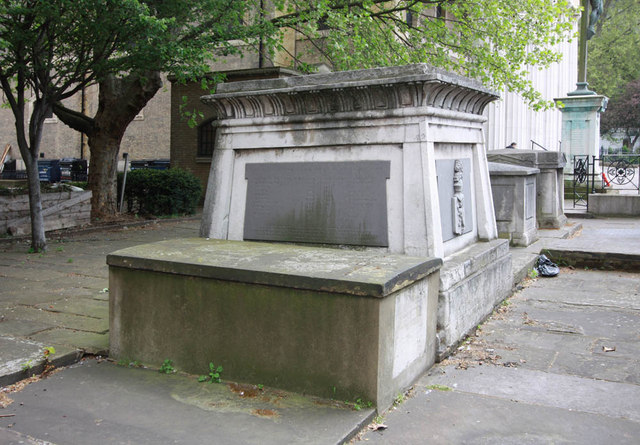
This street once went by a different name entirely: Church Street. Walking it today, a leaning old churchyard wall with railings and shade trees still encloses most of the north side, and it still works as a way into Waterloo from the west.
Underneath that quiet surface sits a layered history: a parish watch house once stood at its western corner, a Victorian school gave way to a replacement in 1902, and a 1930s building still closes off the view down a neighbouring street. The name it carries now is not the one it carried then.
Name Origin
From Church Street to Exton Street
Many 19th-century maps labelled this street "Church Street," presumably reflecting its position beside the churchyard that still lines its north side. At some point the street became Exton Street, the name it carries today. The sources used here do not explain the origin of "Exton" itself.
History
Watch House, School, and a Rebuilt Corner
A parish watch house stood at the corner of Exton Street and Waterloo Road from 1824, surviving into the 20th century before it was demolished in the 1940s. A national school was built on the street in the mid to late 19th century, and was replaced by new schools on the same site in 1902. Nearby, at Alfred Place on the street's south-east corner, Nos. 77 and 79 date from the 1830s, though both have since been much altered.
Culture
Queen Anne Survivals
Today
A Quiet Approach to Waterloo
At No. 2, the 1930s Christian Alliance Centre closes off the immediate view looking west along Whittlesey Street. The street that once went by another name has settled into this quieter role.
On the Map
Exton Street Then & Now
Frequently Asked Questions
Why is it called Exton Street?
The sources used here do not explain the name. The street was captioned "Church Street" on many 19th-century maps before it came to be known as Exton Street.
What is Exton Street known for?
It is known for its Queen Anne-style buildings, including the Old School and No. 7, and for the historic churchyard wall and trees that line its north side.
Was there once a watch house on Exton Street?
Yes. A parish watch house stood at the corner of Exton Street and Waterloo Road from 1824 until its demolition in the 1940s.
What is the Christian Alliance Centre?
It is a 1930s Neo-Classical building at 2 Exton Street, whose rear closes off the view looking west along Whittlesey Street.