Time Walk
A Lane That Led to a Spring


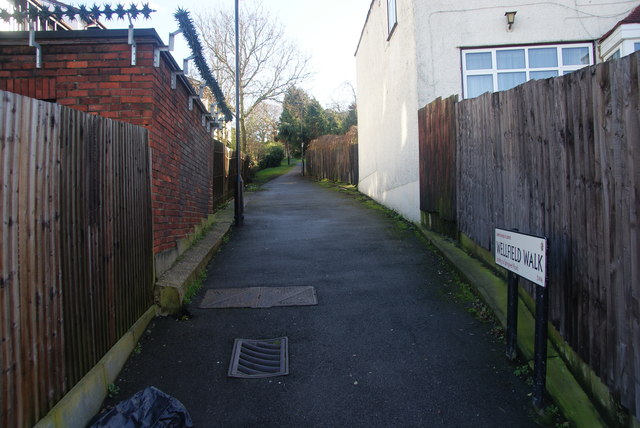
A medicinal spring once made this quiet Streatham lane worth the walk from the High Road. Today a short stretch near Streatham Common North looks out over the open green of the Common.
Beneath the present houses and gardens lies the ground of a vanished spa: a well, a dairy, and a Georgian spa building still stand, if quietly, behind the modern street. That older layer is where the name of the road begins to make sense.
Name Origin
No Record of the Naming
The sources used here do not explain why the road was called Valley Road. What they do show is the low, wet ground it crossed: a dog-leg lane known as Well Lane once ran from Streatham High Road, past the Leigham Arms, to mineral wells recorded at Valley Road in 1659.
History
From Mineral Spring to Dairy Yard
The wells at Valley Road were not Streatham's first. An earlier set near The Rookery had become contaminated and closed by 1792, and it was after that closure that the wells near Valley Road came into use. A Well House had already been built on the site in 1783, serving the spring before the Rookery wells failed.
A spa building rose on the site in the early 19th century, standing at what is now No. 131 Valley Road. It was listed Grade II in 1974.
By the early 20th century the spa had given way to industry of a different kind: a dairy on the site, known locally as the Valley Road dairy, had become a significant part of local life. The well itself was damaged during the Second World War and closed. The dairy site went on to become Curtis Dairies, later absorbed into Unigate.
The old mineral well that drew visitors to Valley Road in the 18th century still lies inside No. 131 — set into the kitchen floor of what is now a listed building.
Culture
A Spa Building Hiding in Plain Sight
The building is a rare survival of the spa culture that once drew Streatham's visitors to its waters, before the dairy and later housing took over the ground around it.
Today
A Fragment Within the Common's View
Only a short length of Valley Road, where it meets Streatham Common North, falls within the Streatham Common Conservation Area. From here there are open views out across the Common, a green reminder of the open ground the wells once sat within.
On the Map
Valley Road Then & Now
Frequently Asked Questions
Why is it called Valley Road?
The sources used here do not explain the naming. The road did run through the low ground that held Streatham's mineral wells, first recorded in 1659.
What is Valley Road known for?
Its mineral wells, discovered in 1659 and still used into the 18th century, and the Grade II listed former spa building at No. 131, which still contains the old well in its kitchen.
What happened to the wells at Valley Road?
They took over from Streatham's earlier wells near The Rookery, which closed through contamination by 1792. The Valley Road well was later damaged in the Second World War and closed.
What replaced the spa and wells?
By the early 20th century a dairy occupied the site, becoming known locally as the Valley Road dairy. It later became Curtis Dairies, and then part of Unigate.