Time Walk
A Yard Behind a Gate


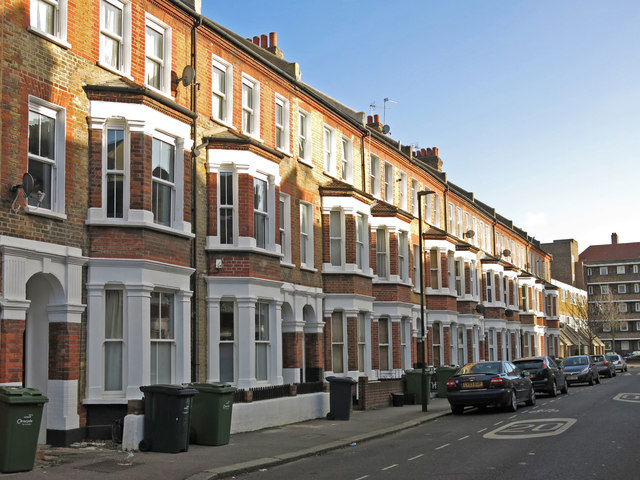
A vinegar works once stood here, and part of it still does, hidden behind a modern gate. Step off South Lambeth Road and Rita Road leads straight into a gated close, not a thoroughfare, serving the homes of Regents Bridge Gardens.
Behind those gates survive the brick ranges, lodges and courtyard of that vinegar works, built around 1810. That older layer, and what became of it, is where this street's real story lies.
Name Origin
A Name the Records Keep Quiet
The sources consulted here do not explain where the name Rita Road comes from. What they do record is the ground beneath it: part of the road now runs over what was once the garden ground of Carroun House, a plot separated from the house itself when Fentiman Road was laid out in 1838.
History
The Beaufoy Vinegar Works
Vinegar, not housing, came first on this site. The Beaufoy Vinegar Works was built here around 1810, its buildings grouped about a long yard. The courtyard floor was laid with old mill stones, and it still is.
Two lodges flanked the works. The north lodge carried a loggia topped with the arms of the Beaufoy family. The south lodge did not survive the war: it was destroyed by bombing on 12 October 1940. The family's own home, the Beaufoy Mansion at Caron Place, lost its ballroom extension the same way, bombed and burnt.
At the end of the courtyard stands the Vat House, a building with a cupola and, since the bombing, a tin roof. A bell hangs in the cupola, cast in 1843, inscribed "THOMAS MEARS LONDON FOUNDER 1843."
"THOMAS MEARS LONDON FOUNDER 1843"Inscription on the bell, Vat House cupola, Beaufoy Vinegar Works
The courtyard of the old vinegar works is still paved with mill stones, laid down when the Beaufoy works ground its own ingredients on site.
Today
St George's Bridge Gardens
The former works now forms the core of a residential scheme called St George's Bridge Gardens, reached via Rita Road. The lodges, the mansion and the millstone yard survive as an early industrial group within the gated development of Regents Bridge Gardens.
On the Map
Rita Road Then & Now
Frequently Asked Questions
Why is it called Rita Road?
The sources used for this page do not explain the origin of the name Rita Road.
What is Rita Road known for?
It leads into the site of the Beaufoy Vinegar Works, built around 1810, whose lodges, mansion and millstone-paved courtyard survive within the modern Regents Bridge Gardens development.
What happened to the Beaufoy Vinegar Works?
Its south lodge and the Beaufoy Mansion's ballroom extension were destroyed by bombing, the lodge on 12 October 1940. The surviving buildings now form part of St George's Bridge Gardens.