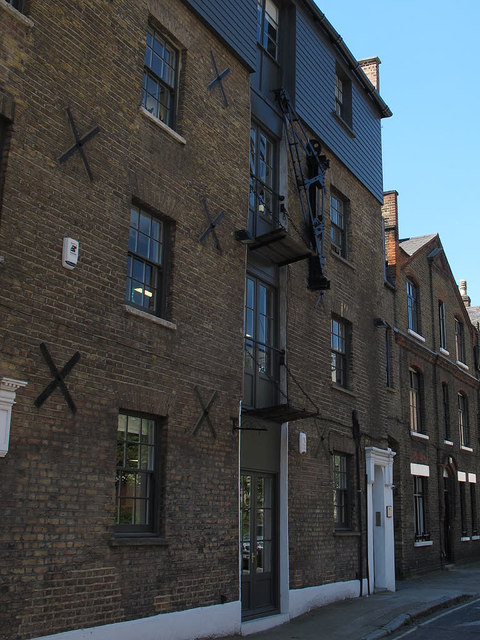
Horsemongers Mews emerged during the boom in London residential development in the early 19th century. Cole Street was developed between 1824 and 1830 to include houses and a warehouse, and between Cole Street and the north side of Trinity Church Square there were stables known as Horsemongers Mews. These stables were built as a service facility to the grand townhouses of the new estate, providing accommodation and care for the horses that transported the well-to-do residents of The Borough.
c. 1790s–1800s
Horsemonger Lane Gaol Built
The notorious Surrey County Gaol was constructed on Horsemonger Lane, becoming one of the most significant institutions in the area.
1820–1830
Trinity Estate Development
Cole Street and surrounding streets developed. Horsemongers Mews built as working stables.
1859
Horsemonger Lane Renamed
Horsemonger Lane officially renamed Union Road (later Harper Road). The mews retained its original name.
c. 1870s–1920s
Conversion to Domestic Use
As motorised transport replaced horses, the stables gradually converted to residential accommodation.
Did You Know?
The Horsemonger Lane Gaol, which stood just yards away on the same street, was where Charles Dickens witnessed the public execution of Maria and Frederick Manning in 1849. Dickens was so moved by the spectacle and the crowd’s behaviour that he wrote a scathing letter to The Times condemning public hangings.
The mews itself has undergone quiet transformation over the centuries. What began as essential working stables—where grooms tended horses and coaches were serviced—has become a residential enclave. The conversion from commercial stabling to private homes accelerated after the First World War, as motor cars gradually displaced horse transport from London’s streets. Today, Horsemongers Mews stands as a relic of Victorian London, its very structure a testimony to the equestrian economy that once dominated this part of Southwark.