Time Walk
From Garden Plots to Railway Arches


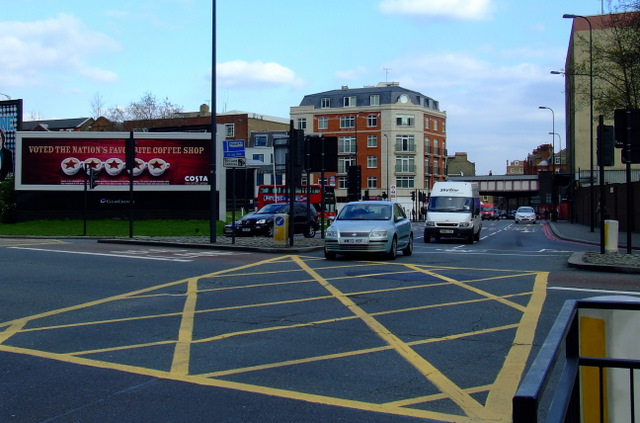
A street of Georgian gardens now runs in the shadow of a railway viaduct. Walking it today, what stands out is the brick arches overhead, a cluster of them now home to a nightclub, and the pull of Vauxhall's bus station close by.
Underneath that modern layer is an 18th-century residential street, laid out with long back gardens behind its houses. That older, quieter plan is easy to miss beneath the arches and the traffic — which makes the question of where the name itself came from worth pausing on.
Name Origin
A Statesman's House Nearby
The street is named after Thomas Parry, a 17th-century statesman. He owned Copt Hall, a house that stood nearby, and his name was carried over when the development was laid out more than a century after his lifetime. This is the explanation given in Sheila Fairfield's The Streets of London: A Dictionary of the Names and Their Origins (1983).
History
Bond's Development and the Coming of the Railway
Parry Street was laid out in 1778. John Bond and Sarah Bond obtained a building Act that year to develop the surrounding freehold land as a residential street. The houses built there under leases came with long gardens running behind them, giving the new street a settled, semi-rural feel.
That character did not last. A stretch of viaduct between Kennington Lane and Parry Street still carries the railway on brick arches, with a bridge portal worked with steam-train artwork. The railway's arrival reshaped the street's surroundings from garden plots into an industrial and transport corridor.
Culture
Ten Arches, One Raid
Fire's arches turned a stretch of Victorian railway infrastructure into one of the area's nightlife venues, until the 2007 raid became the episode that made headlines beyond the club itself.
Today
Beside the Bus Station
Vauxhall bus station stands on Bondway, between Wandsworth Road, Kennington Road and Parry Street. The street now sits among this cluster of transport infrastructure, a long way from the garden plots laid out in 1778.
On the Map
Parry Street Then & Now
Frequently Asked Questions
Why is it called Parry Street?
It is named after Thomas Parry, a 17th-century statesman who owned Copt Hall, a house near the street, according to Sheila Fairfield's The Streets of London (1983).
What is Parry Street known for?
Its 1778 origins as a Georgian garden development, the railway viaduct that now runs alongside it, and the Fire nightclub, which occupied ten of its railway arches until a 2007 police drugs raid.
When was Parry Street laid out?
It was laid out in 1778, after John Bond and Sarah Bond obtained a building Act to develop the surrounding freehold land.