Time Walk
A Georgian row rebuilt for a new century

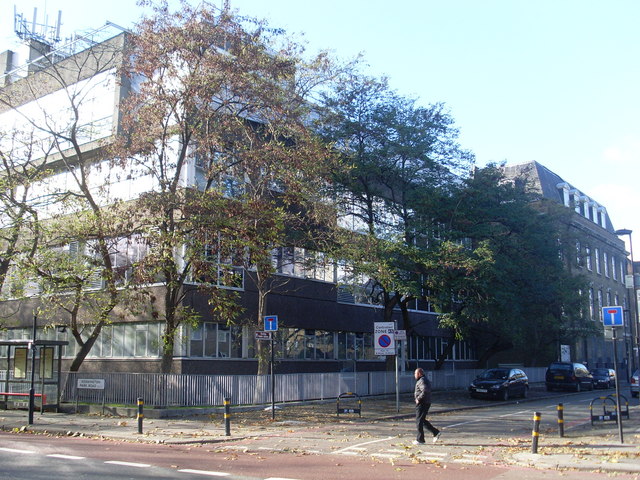
A street mapped before 1799 under a name nobody uses any more now carries flats named for Cornish manors. Walk it today and you pass blocks of flats with steep roofs, set behind railings, lawns and mature trees — not the houses the earliest surveyors drew.
Beneath that interwar housing lies an older Georgian row, laid out when Kennington was first being built up. The name on the old survey was White Hart Row — and what replaced it, and why, is where this street's story really lies.
Name Origin
A name without an explanation
Kennings Way was formerly known as White Hart Row. The sources consulted here do not record when or why the street took its present name, and Wikipedia's own list of Kennington and Lambeth street names states plainly that the origin of "Kennings Way" is unknown.
History
From White Hart Row to the Kennings Estate
Groups of houses went up along the street following development arrangements begun in Kennington in the 1770s. By the time surveyors Hodskinson and Middleton produced their plan, before 1799, the street had already been laid out.
That Georgian row gave way, in the twentieth century, to public and municipal building. An interwar Telephone Exchange in Neo-Georgian style went up on the street, part of a wave of public buildings in the area between the wars. Then, in 1927-1928, the London County Council built the Kennings Estate here: seven blocks of flats, each named after a manor of the Duchy of Cornwall, raised in the same Neo-Georgian style. The blocks are four storeys, built in stock brick with red brick dressings, steep hipped roofs carrying dormers and tall chimneys, and sash windows of six over six panes — all but Fowey House, built plainer, in stock brick alone.
Only the southern stretch of the street was later drawn into the Kennington Conservation Area, specifically to take in the 1927 LCC estate. The estate itself was designated as part of that conservation area from 1997, by which time its grounds — railings enclosing lawns, hedges, shrubs and mature trees — were recognised as part of its character.
The Kennings Estate's seven blocks of flats are each named after a manor belonging to the Duchy of Cornwall.
Today
A Duchy name set in brick and lawn
Today the southern end of the street still shows the Kennings Estate much as it was designed, with only Fowey House standing apart in its plainer stock brick. The street has moved, in under two centuries, from a Georgian row called White Hart Row to a municipal estate named for the manors of a royal duchy — though why it ended up as Kennings Way in between is a question the sources used here cannot answer.
On the Map
Kennings Way Then & Now
Frequently Asked Questions
Why is it called Kennings Way?
The sources consulted here do not explain the origin of the name Kennings Way. The street was formerly known as White Hart Row, but no record here states when or why it was renamed.
What is Kennings Way known for?
It is known chiefly for the Kennings Estate, seven Neo-Georgian blocks of flats built by the London County Council in 1927-1928 and named after manors of the Duchy of Cornwall.
Was Kennings Way always called that?
No. The street was formerly known as White Hart Row and had already been laid out under that name by the time a survey by Hodskinson and Middleton was produced, before 1799.