Time Walk
A Lease Remembered in a Street Sign


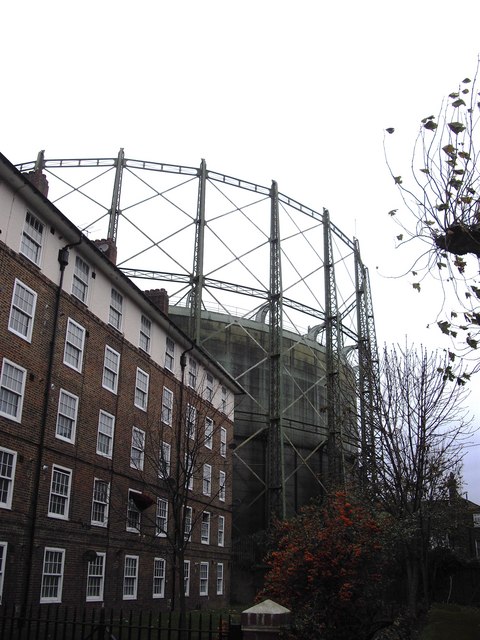
This street is named after a family who never owned the land it crosses, only leased it. Walking it today, the one building that catches the eye is the Henry Fawcett School, an inter-war building wrapped around its own playground.
Beneath the modern street line is an older story of orchard walls and cricket-ground politics, tied to land the Duchy of Cornwall controlled for centuries. That older layer is where the street's name begins.
Name Origin
The Claytons of the Duchy Lease
Clayton Street is named after the Clayton family, who leased much of this land from the Duchy of Cornwall from the 1660s onward. The family's long tenancy here gave the street its name.
Their presence on the ground is documented from 1667, when John Morrice and Robert Clayton, named as lessees of a considerable part of the manor, erected a brick wall on the Forty Acres for growing fruit. The land was part of the Duchy's Kennington estate, and the Clayton name stuck to the street cut across it long after that lease had passed on.
History
From Fruit Walls to a Cricket Club's Dispute
Long before it carried traffic, this was orchard ground behind a brick wall. By 1758 a sub-lease held by William Malcolm covered the part of the demesne already crossed by Clayton Street and Bowling Green Street, the earliest point at which the street appears by name.
A century later it was at the centre of a local dispute, when residents objected to the Surrey Club's plan for a new pavilion opposite its end.
In 1858, residents of this area successfully blocked the Surrey Club from building its new cricket pavilion directly opposite the end of Clayton Street — it was built at the far end of the ground instead.
Today
A Dudok Echo on a Quiet Street
The street's most notable building today is the Henry Fawcett School. It is a three-storey inter-war building with an arc-shaped footprint enclosing a central playground, with brick walls and a flat roof in a continental modernist style. Its brickwork and doorways have been compared to the work of the Dutch architect Willem Dudok.
On the Map
Clayton Street Then & Now
Frequently Asked Questions
Why is it called Clayton Street?
It is named after the Clayton family, who leased much of this Kennington land from the Duchy of Cornwall from the 1660s, including Robert Clayton, recorded as a lessee here in 1667.
What is Clayton Street known for?
It is known for the Henry Fawcett School, an inter-war building in a continental modernist style, and for an 1858 dispute in which residents blocked a cricket pavilion from being built opposite the street.
When was Clayton Street first recorded?
The street appears by name in a record from 1758, describing a sub-lease of land already crossed by Clayton Street and Bowling Green Street.