Explore London England Scotland Wales About API
Southwark · SE1

Tanner Street

A street named for the leather workers who made Bermondsey the centre of London’s hide-processing trade. The name endures though the tanneries are gone.

Name Meaning
Leather Tanner
First Recorded
Early Medieval
Borough
Southwark
Character
Industrial Heritage
Last Updated
Time Walk

From Workhouse to Regeneration

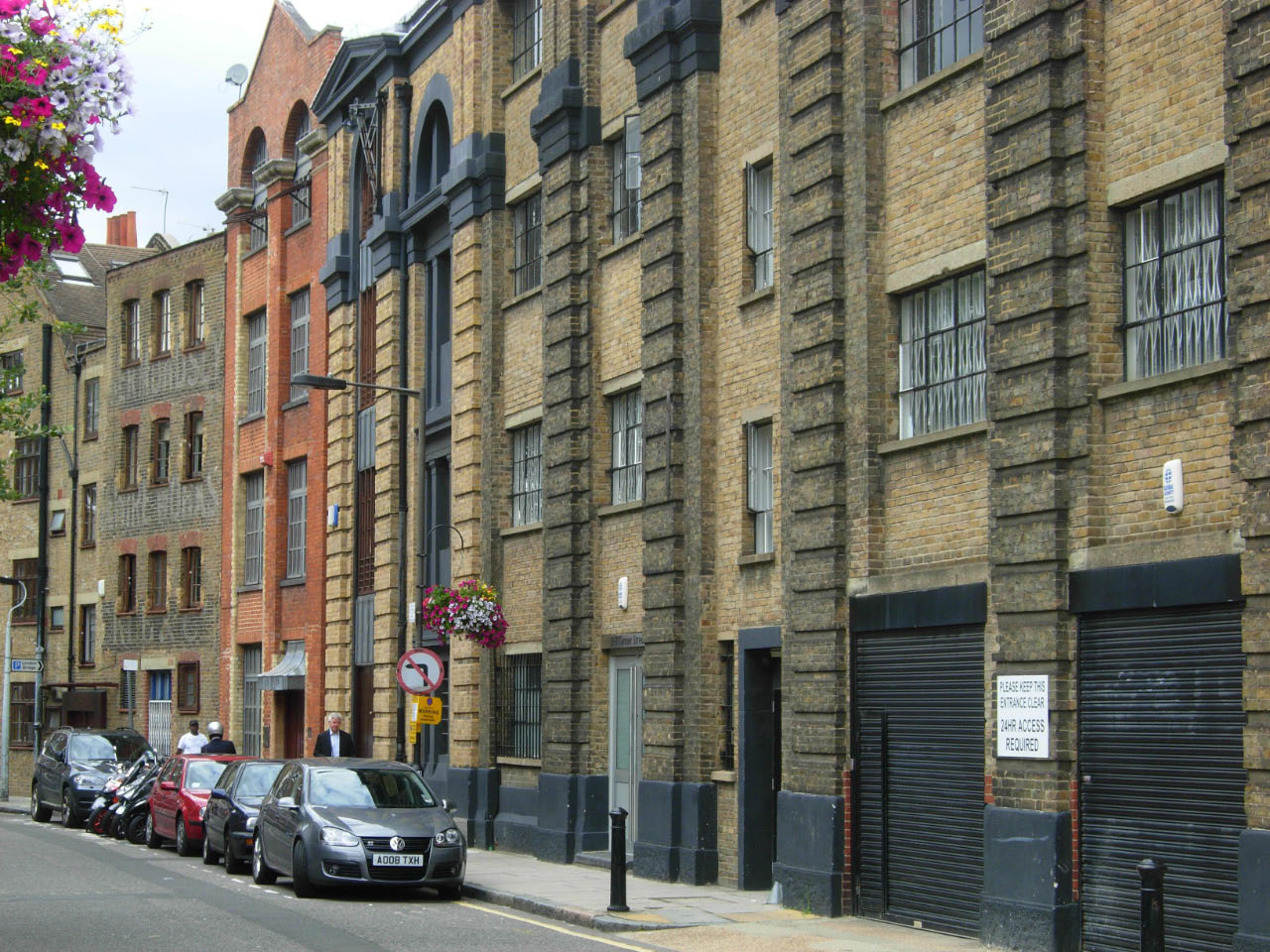
Tanner Street today is a mixed-use residential quarter near Tower Bridge, where converted warehouses sit alongside modern flats and cafés. The street runs between the historic heart of Bermondsey and the Thames-side regeneration zones, anchored by Tanner Street Park—a Grade II listed green space created in the 1920s from the grounds of a former workhouse. The neighbourhood has transformed from industrial decline to desirable housing, though the warehouse architecture and narrow lanes still echo the district’s manufacturing past.

2010
Tanner Street, Bermondsey
Wikimedia Commons · CC BY-SA 2.0
2013
45-49 Tanner Street
45-49 Tanner Street
Wikimedia Commons · CC BY-SA 2.0
2013
54-58 Tanner Street
54-58 Tanner Street
Wikimedia Commons · CC BY-SA 2.0
Today
Contemporary photo not found

But the street itself remembers something older: the craft that made Bermondsey’s reputation for three centuries. Tanner Street did not gain its name by accident or from a landowner’s whim. It is named for the people who lived and worked here—the leather tanners whose vats and frames filled the area, whose stench would have been unmistakable, and whose product was essential to the whole economy of medieval and early modern London.

✦   ✦   ✦
Name Origin

The Craft in the Name

The name Tanner comes directly from the occupational term for a person who converts animal hides into leather. The word has deep historical roots: it derives from the Old English verb tannian, meaning to tan or treat hides, ultimately from Medieval Latin tannare, which itself is believed to come from a Celtic word for oak—since oak bark, rich in tannin, was the primary agent used in vegetable tanning. A tanner was a skilled craftsperson, not a labourer. The profession required knowledge of chemistry, timing, and material handling to transform raw, stiff hides into supple, durable leather for clothing, footwear, armour, and saddles. In medieval times, tanners formed guilds and were among the most essential trades in any city. Their reputation for hard work and craft excellence is embedded in the occupation-derived surname that has been recorded in English parish records since the 12th century.

Bermondsey’s tanning industry flourished because of geography and infrastructure. The area lay south of the Thames, on the edge of London proper, with access to water (crucial for the tanning process), open land for drying hides, and proximity to the markets of the capital. By the 14th century, Bermondsey had become so dominant in leather production that the street itself inherited the occupational name. The street did not take its name from a single famous tanner or a tannery building—it took the name from the overwhelming presence of the trade itself. Tanner Street was where the tanners worked.

How the name evolved
Medieval period Tanners’ Lane / Tanner’s Lane
18th–19th century Tanner Street
present Tanner Street
✦   ✦   ✦
Street Origin Products

Your listing has a better story than it’s telling

Tanner Street is named for the leather trade that defined Bermondsey. Here’s how to put that heritage to work.

Professional Edition
Street Pack
“Why this address matters.”

Buyers pay more for addresses with a story. The Street Pack gives estate agents and developers brochure-ready copy, prestige framing and a name origin panel—everything needed to make this address feel significant before a viewing is booked.

  • Brochure copy — 100 & 200 word versions
  • Prestige framing version
  • Name origin panel
  • Timeline strip
  • Buyer persona framing
For estate agents, developers & property portals
From £19
Get the Street Pack
Street Social Kit
“Why this place feels interesting.”

Airbnb guests choose atmosphere as much as amenities. The Social Kit gives you five ready-to-post tiles, story templates, captions, hooks and a Reel script—all built from this street’s actual history. Done for you, in minutes.

  • 5 ready-to-post social tiles
  • 3 Story templates
  • 5 captions & 3 hooks
  • 1 Reel script
  • Hashtag clusters
For Airbnb hosts, boutique landlords & small agents
From £9
Get the Social Kit
✦   ✦   ✦
History

Leather, Water, and Urban Industry

Bermondsey’s leather industry developed in the medieval period, drawn by the proximity of the Thames and the streams feeding it. Tanning was a noxious trade—the smell was overwhelming and the process involved soaking hides in urine, dung, and acidic plant extracts. For this reason, tanners were pushed to the edges of medieval cities, away from the market and the cathedral. In Bermondsey, they found space, water, and isolation. By the 14th century, the district had become London’s leather heartland. The industry thrived through the Tudor and Stuart periods, consolidated further during the 18th and 19th centuries, and remained London’s primary leather-working zone until the 20th century.

Key Dates
14th c.
Tanning flourishes
Bermondsey becomes established as London’s leather district; tanners settle and build workshops near water sources.
1649
Bermondsey Abbey dissolved
The medieval Benedictine abbey’s former lands become available for industrial use, further enabling tannery expansion.
1926
Tanner Street Park created
The former workhouse site on Tanner Street is converted into a public park and green space for the neighbourhood.
1970s onwards
Industrial decline and regeneration
The leather trade shrinks; warehouses converted to apartments and mixed-use spaces as Southwark undergoes urban renewal.
Did You Know?

Tanner Street Park contains a Grade II listed drinking fountain—a relic of early 20th-century public health efforts. The park was established on what had been a workhouse, reflecting the Victorian push to replace punitive poor relief facilities with open spaces for children and families.

The tanning trade began its terminal decline in the mid-20th century as leather processing shifted overseas and environmental regulations made urban tanning untenable. By the 1970s, the great tanneries had closed. Many of their vast warehouse buildings—four- and five-storey red-brick structures built in the Victorian era to process hides and store leather—survived intact. From the 1990s onwards, Southwark underwent comprehensive regeneration. These warehouses were listed, protected, and converted into apartments, offices, galleries, and cafés. The Bermondsey Street area, once dominated by tanning vats, became a destination for art galleries and restaurants. Yet in the street name, and in the architecture of the surviving industrial buildings, the memory of the trade persists.
✦   ✦   ✦
Culture

Heritage in Brick and Stone

The streetscape of Tanner Street bears witness to its industrial past through its architecture. British History Online’s Survey of London documents the district’s heritage in detail, noting the survival of locally listed Victorian warehouses that define the area’s character. Several buildings on Tanner Street itself—including numbers 1, 3, 4, 6, 7, and 45–49—are on Southwark’s Local List, protecting them from demolition. These red-brick structures, with their deep-set windows, loading doors, and substantial chimneys, were designed for the practical demands of hide-processing and leather storage. Tanner Street Park, with its listed drinking fountain and open green space, provides visual and physical relief from the dense warehouse surrounds, continuing the Victorian impulse to provide public recreation in densely built areas.

Industrial Heritage
Tanner Street Park

Created in 1926 from a former workhouse site, the park is Grade II listed. Its drinking fountain and layout reflect early 20th-century urban reform. The park represents the shift from industrial use to public health and amenity, and remains an important green space in a densely built neighbourhood near Tower Bridge.

Today, the street’s cultural identity is being rewritten. Modern residential and retail development now dominates the visible streetscape. Yet the heavy brick facades, the scale of the converted buildings, and the narrowness of the lanes all testify to the industrial function that shaped them. Anyone walking Tanner Street is walking through a palimpsest of London’s economic history—from the medieval craft guilds to the Victorian factory system to contemporary urban living.

✦   ✦   ✦
Today

A Neighbourhood Transformed

Tanner Street is a quietly busy residential street with a strong sense of place. It lies between Bermondsey Street and Tooley Street, within sight of Tower Bridge and within walking distance of London Bridge station. The street itself is lined with converted warehouse buildings, modern apartment blocks, and street-level cafés and restaurants. The scale feels managed and intimate despite its density—the street is narrow enough that light is often filtered through the bulk of the surrounding buildings, but wide enough to feel open. The pavements are busy during working hours and weekends, and the street hosts events and community activities centred around Tanner Street Park.

The neighbourhood character is distinctly post-industrial. Many residents and workers have chosen Southwark specifically for its warehouse heritage and authentic urban atmosphere. The tanning trade that gave the street its name is invisible except in the name itself and in the presence of locally listed buildings that once housed the trade. What remains is a working, living street in a former industrial heartland that has successfully reinvented itself without erasing its past.

On Tanner Street
Tanner Street Park
A 0.78-hectare Grade II listed park with open green space, a heritage drinking fountain, and recreational facilities. Created 1926.
3 min walk
St Mary Magdalen Churchyard
A historic burial ground now serving as a green space with mature trees and heritage tombstones, managed by Southwark Council.
8 min walk
Potters Fields Park
A Thames-side public park near Tower Bridge with river views, open lawns, and pathways. A popular destination for recreation and events.
10 min walk
Thames Riverfront
Public walkways and open spaces along the river, offering views and access to the water as an urban amenity.
✦   ✦   ✦
On the Map

Tanner Street Then & Now

National Library of Scotland — Ordnance Survey 6-inch, c. 1888. Hosted by MapTiler. Modern: © OpenStreetMap contributors.

✦   ✦   ✦

Frequently Asked Questions

Why is it called Tanner Street?
Tanner Street takes its name from the leather tanners who worked in Bermondsey, converting animal hides into leather using oak bark and vegetable tanning agents. The word ’tanner’ is an occupational term rooted in Old English and Medieval Latin, referring to someone skilled in the craft of transforming hides. Bermondsey became London’s principal leather-working district from the medieval period onwards, and Tanner Street itself became so synonymous with the trade that it inherited the occupational name.
Why did tanners settle in Bermondsey?
Tanners were drawn to Bermondsey because of its geography and industrial potential. The area lay south of the Thames with access to streams and water sources essential for the tanning process. Crucially, it was far enough from the medieval city proper to isolate a trade that was notoriously foul-smelling. By the 14th century, Bermondsey had become so dominant in leather production that the industry defined the district’s entire economy and reputation.
What is Tanner Street known for today?
Today, Tanner Street is known for Tanner Street Park, a Grade II listed public green space created in the 1920s, and for its role in the broader regeneration of Southwark. The street sits near Tower Bridge and London Bridge, in a neighbourhood that has successfully transformed from industrial decline into a desirable residential and mixed-use area. Locally listed Victorian warehouse buildings preserve the physical memory of the tanning industry, whilst the street itself now hosts cafés, restaurants, and a vibrant community.