The Street Over Time
Named after a Tudor noblewoman’s mansion, this street was born from a Victorian improvement scheme that swallowed an older lane.
Great Guildford Street is in the London Borough of Southwark, in the neighbourhood known as The Borough. Today the street runs north–south through a densely built urban landscape, lined with offices, restaurants, and mixed-use buildings that reflect the area’s transformation during the industrial and Victorian periods. The street connects Southwark Bridge Road to the south with streets feeding towards London Bridge.
What is remarkable about Great Guildford Street is how recent its current name actually is. The street we know today is partly the result of 19th-century urban improvements, but it absorbed an older lane beneath the new identity. The name tells a Tudor story—one of a noble family and their country mansion—yet the street itself belongs entirely to the modern city.
Great Guildford Street is named after Suffolk House, owned by Lady Jane Guildford in the early Tudor period; possibly also in allusion to Guildford, county town of Surrey. The street carries the family name of one of the Tudor era’s influential figures—Guildford was a surname of power and property in southern England during the 15th and 16th centuries. The mansion itself has long vanished from the Southwark landscape, but its name endured in the street that replaced it.
Before the 19th century, not all of the present street held this name. The eastern end of Sumner Street was made in 1839 to form a communication between Southwark Bridge Road and Great Guildford Street and was so named in compliment to John Sumner, Bishop of Winchester. Later, in 1880 the name Sumner Street was extended to apply to the western end of Great Guildford Street (formerly known as the western end of Maid Lane). So the street we call Great Guildford Street today is a palimpsest—part of it once answered to Maid Lane, the oldest identity now nearly forgotten.
The land that Great Guildford Street now occupies belonged to Southwark’s medieval and early modern property landscape, dominated by episcopal holdings and private estates. In 1831 the Crown property was divided and sold to Thomas Evans, cooper, of Great Guildford Street, Southwark, and John Lewis of Euston Square, marking the transition from Crown control to private ownership that would accelerate the area’s urban development.
By the 1880s, Great Guildford Street existed as part of a network of 19th-century improvements that reshaped Southwark from a fragmented medieval landscape into a modern metropolitan district. The naming of Sumner Street in honour of a bishop reflects the continuing influence of the Church in Victorian urban development.
The transformation of this area reflects the larger story of Southwark in the 19th century. As London’s population exploded and the railway age brought new commerce and movement to the south bank of the Thames, old property boundaries and minor lanes like Maid Lane were absorbed into grand improvement schemes. Great Guildford Street became a functional artery, connecting the expanding railway infrastructure at London Bridge to the residential and industrial heartland of the Borough. By the early 20th century, the street was lined with warehouses, offices, and commercial buildings—the physical embodiment of Southwark’s transformation from a rural suburb to an urban powerhouse.
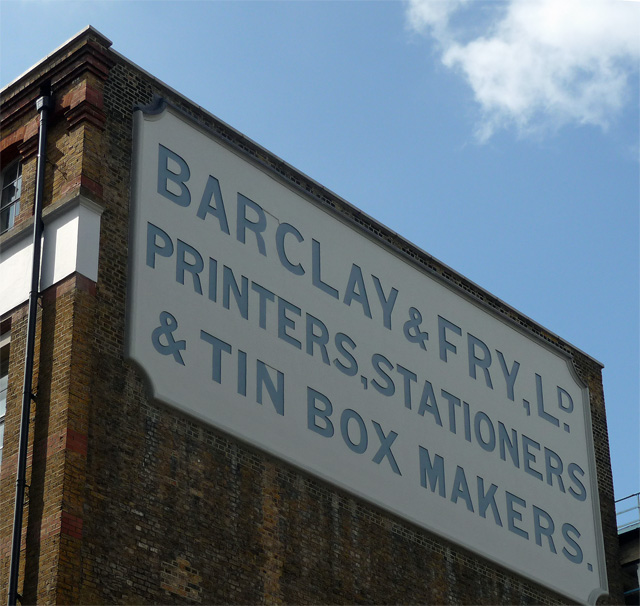
Great Guildford Street today presents a mix of Victorian and contemporary architecture, reflecting waves of investment and redevelopment. The street has escaped the wholesale demolition that erased so much of 19th-century Southwark, and several buildings retain their period character while housing modern businesses. The commercial character of the street—offices, restaurants, and mixed-use spaces—mirrors the diversity of contemporary London, where heritage buildings are constantly reinterpreted for new uses.
Great Guildford Street owes its existence to the railway age and London Bridge’s role as a transport hub. The street was conceived as a connecting route between the emerging transport infrastructure and the residential quarters of Southwark, embodying the Victorian faith in metropolitan engineering and planning.
The street maintains strong connections to the neighbouring Borough Market and the historic lanes around London Bridge, forming part of a cultural district that balances medieval character, Victorian commerce, and contemporary food and arts culture. For local residents and workers, Great Guildford Street is a practical, working thoroughfare—not a destination in itself, but a vital part of Southwark’s navigational and commercial fabric.
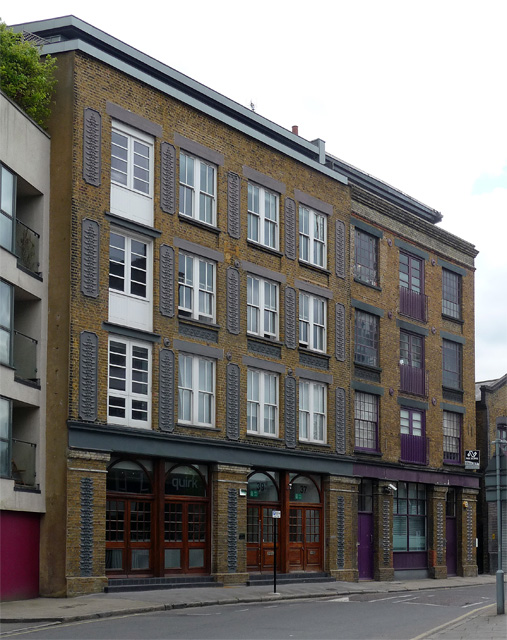
Great Guildford Street today is an active commercial street serving The Borough neighbourhood. The nearest Tube station is Borough, approximately 360 yards away, making the street highly accessible to the wider transport network. The street hosts a mix of independent businesses, restaurants, and offices, reflecting Southwark’s reputation as a creative and culinary hub in central London.
The street remains largely unchanged in its street-level character from the late 19th century—a straight, functional thoroughfare lined with buildings that speak to their era of construction. Unlike the medieval lanes that still wind through The Borough, Great Guildford Street represents the rational, planned approach of Victorian urban improvement. For those who walk it today, the street offers little obvious reminder of Lady Jane Guildford or the mansion that bore her name, yet the street carries that legacy in its name, a label that has persisted for nearly two centuries.
National Library of Scotland — Ordnance Survey 6-inch, c. 1888. Hosted by MapTiler. Modern: © OpenStreetMap contributors.