Southwark London England About Methodology
Bermondsey · SE1

Crucifix Lane

A street that remembers a medieval cross long since destroyed, now dominated by Victorian railway arches and creative enterprise.

Named After
Cross of Bermondsey
First Recorded
Before 1559
Borough
Southwark
Last Updated
Time Walk

From Medieval Cross to Railway Viaduct

Crucifix Lane is distinguished by the Grade II Listed railway arches that line its length, a Victorian engineering achievement that dominates the street’s character today. These British History Online-documented structures transform the lane into a distinctive industrial landscape, their polychromatic brickwork catching the light and their archways creating galleries, restaurants, and creative studios.

2013
Suchard, Crucifix Lane
Wikimedia Commons · CC BY-SA 2.0
2013
Crucifix Lane railway bridge
Wikimedia Commons · CC BY-SA 2.0
2021
Crucifix outside Southwark Cathedral (02)
Wikimedia Commons · CC BY-SA 4.0
Today
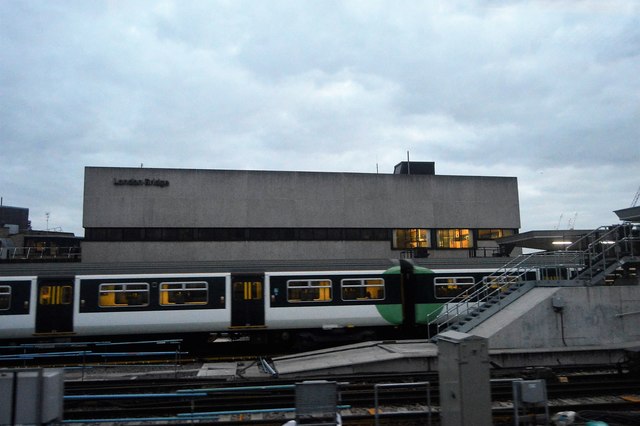
London Bridge Signalbox — near Crucifix Lane
Geograph · CC BY-SA 2.0

But the street’s name points to something far older. Behind the 19th-century engineering lies a much earlier Bermondsey—one where a religious monument stood and gave the lane its enduring identity.

✦   ✦   ✦
Name Origin

When the Cross Stood

Crucifix Lane takes its name from the former Cross of Bermondsey located here, which was destroyed in 1559. The name preserves the memory of a medieval religious monument—a crucifix or wayside cross that marked this stretch of road. During the Reformation, such monuments became targets for destruction, and this cross fell in the same wave of religious upheaval that reshaped London’s landscape. Though the physical monument vanished nearly five centuries ago, the street retained the name, ensuring that Bermondsey’s pre-industrial past remains legible in its modern geography.

How the name evolved
Before 1559 Cross of Bermondsey
1559 onwards Crucifix Lane
✦   ✦   ✦
History

Religious Monument to Industrial Heritage

Crucifix Lane emerged as a named place in medieval Bermondsey, defined by the religious monument that stood within it. The Cross marked a significant point in the parish landscape—a wayside shrine that made the lane a recognisable landmark long before streets were numbered or formally mapped. Historical records describe the lane as a name which savours of ‘the olden time’, capturing its connection to Bermondsey’s pre-industrial character.

Key Dates
Before 1559
Cross Standing
The Cross of Bermondsey marks the lane as a religious landmark in medieval Bermondsey.
1559
Cross Destroyed
The Reformation reaches Bermondsey. The cross is demolished as part of the wider campaign against religious monuments.
1864–1866
Railway Arches Built
Charles Henry Driver designs the London Bridge Railway viaduct, creating the Grade II Listed arches that define Crucifix Lane today.
19th–20th centuries
Industrial Use
The arches house wine merchants, storage facilities, and later entertainment venues including the celebrated Jacks nightclub.
Did You Know?

The Chemical Brothers had their debut performance in one of the arches at Jacks nightclub in 1994. The venue also hosted numerous other landmark performances during the 1990s and 2000s, making the arch a significant site in London’s electronic music history.

After 1864, the railway viaduct brought a new industrial identity to the lane. The arch designed and built by Victorian architect Charles Henry Driver features decorative polychromatic brickwork and elaborate stone carvings. The arches created a distinctive streetscape and enabled commercial activity—wine merchants stored their stocks beneath the railway, and the arches supported diverse businesses for more than a century. By the late 20th century, the arches had become home to cultural venues, galleries, and music clubs. Today, following sympathetic restoration by conservation specialists, they house studios, restaurants, and offices, ensuring the lane continues to evolve while preserving its architectural integrity.

✦   ✦   ✦
Culture

Where Heritage Meets Creativity

Railway Heritage
Grade II Listed Victorian Arches

The arches that form Crucifix Lane are protected heritage assets, recognised for their architectural significance and engineering craftsmanship. Their polychromatic brickwork—combining multiple colours in intricate patterns—distinguishes them from standard Victorian infrastructure and speaks to the care invested in their original design.

Crucifix Lane has transformed from industrial storage to a creative and cultural hub. The restored arches now house galleries, bars, restaurants, and independent studios that draw visitors seeking authentic Bermondsey character away from the busier Borough High Street. The proximity to London Bridge station and the Shard has made the lane increasingly visible to tourists, yet it retains the feel of a working creative neighbourhood rather than a heritage showpiece.

✦   ✦   ✦
Today

A Lane Reclaimed and Renewed

Crucifix Lane today is a working example of heritage conservation and adaptive reuse. The arches, designed and built between 1864 and 1866 by Charles Henry Driver, form part of the viaduct supporting the elevated London Bridge railway and are notable for their decorative polychromatic brickwork and elaborate stone carvings. Recent restoration projects have brought dormant spaces back into use while respecting the original Victorian structures buried within them.

The lane serves both local workers and visitors. Art galleries line the street, restaurants and bars occupy the arches, and independent creative businesses have claimed the space as their own. The narrow passage between railway viaduct and street creates an intimate, sheltered atmosphere distinct from the openness of Bermondsey Street or Borough High Street nearby. For anyone curious about where medieval Bermondsey survives in the modern city—not in physical remains, but in names and stories—Crucifix Lane offers that connection.

3 min walk
St Katharine Docks
Historic dock basin with waterside cafés and public riverside access near Tower Bridge.
8 min walk
Southwark Park
Green space with mature trees, lawns, and walking routes along the Thames riverside park.
10 min walk
Scoop Amphitheatre
Open-air venue and public plaza on the South Bank, with integrated landscaping and river views.
12 min walk
Bermondsey Square
Post-industrial plaza with planted areas, tables and seating, home to weekend antiques market.
✦   ✦   ✦
On the Map

Crucifix Lane Then & Now

National Library of Scotland — Ordnance Survey 6-inch, c. 1888. Hosted by MapTiler. Modern: © OpenStreetMap contributors.

✦   ✦   ✦

Frequently Asked Questions

Why is it called Crucifix Lane?
The lane is named after a medieval crucifix or wayside cross that stood here until it was destroyed in 1559 during the Reformation. Religious monuments across London were targeted for removal at this time, but the lane retained the name of the monument that once defined it.
What are the railway arches on Crucifix Lane?
The arches are Grade II Listed structures built between 1864 and 1866 as part of the London Bridge Railway viaduct. Designed by architect Charles Henry Driver, they are notable for their decorative polychromatic brickwork and stone carvings. Originally used for storage and commerce, they now house galleries, restaurants, and creative businesses following recent restoration.
What is Crucifix Lane known for?
Today, Crucifix Lane is known for its striking Victorian railway heritage and thriving creative scene. The restored arches house galleries, independent cafés, and restaurants, making it a destination for those seeking authentic Bermondsey culture. The lane’s proximity to London Bridge and Borough High Street, combined with its distinctive architecture, has made it increasingly popular with locals and visitors alike.