Time Walk
From Pathway to Marketplace
Canvey Street is a vibrant mixed-use thoroughfare in the Borough neighbourhood of Southwark, lined with contemporary restaurants, bars, and businesses housed in converted warehouses and historic buildings. The street has become a focal point for the regenerated Bankside area, bridging the commercial heart of Borough Market with the cultural institutions that dot the riverside.
2014

Canvey Street, Southwark
Wikimedia Commons · CC BY-SA 2.0
2016

Canvey Street
Wikimedia Commons · CC BY-SA 2.0
2025

Boiler and Co., Southwark, SE1
Wikimedia Commons · CC BY-SA 4.0
Today
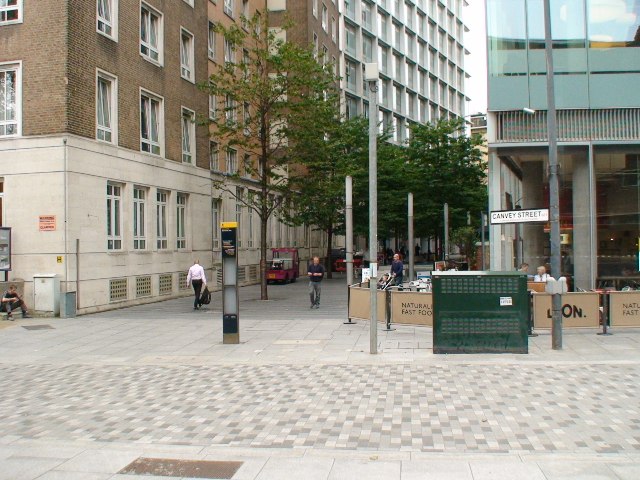
Canvey Street
Geograph · CC BY-SA 2.0
The name itself carries a geographic story—not of London or Surrey, but of an island in the Thames Estuary. That naming reveals how 18th-century developers and residents looked beyond their immediate parish for inspiration and identity.