Southwark London England About Methodology
Southwark · SE1

Bursar Street

A quiet street named after a medieval bishop who left his fortune to an endowment that shaped Southwark's religious life.

Named After
William Waynflete
Character
Residential
Borough
Southwark
Last Updated
Time Walk

A Bermondsey Sidestreet

Bursar Street sits in Bermondsey, a tightly woven neighbourhood of narrow lanes and converted warehouse buildings that traces its character back to the medieval period. Today, the street is a quiet residential backwater, lined with low-rise Victorian and later buildings, its pace unchanged by the development surging around it.

Historical image not found
Today
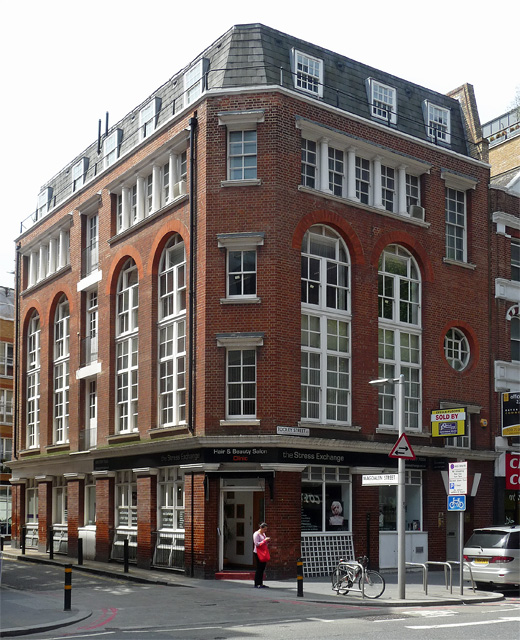
130 Tooley Street — near Bursar Street
Geograph · CC BY-SA 2.0

The neighbourhood’s history runs deep. Bermondsey was once an island in the marsh—the name itself suggests “an island of land raised above marshy surroundings”—and was home to a significant Cluniac priory from the 11th century onwards. That monastic foundation would have created the institutional landscape that, centuries later, resulted in a bishop endowing local property here.

✦   ✦   ✦
Name Origin

A Bishop’s Bequest

The street takes its name from William Waynflete, Bishop of Winchester in the 15th century, who left an endowment of local property to the college. The term “bursar” refers to the officer of a college or institution responsible for managing its finances and property—a position of trust tied directly to Waynflete’s legacy. He was a substantial benefactor to educational institutions, and his name was preserved in street nomenclature as a mark of gratitude for property that enriched the neighbourhood’s institutional life.

The naming reflects how thoroughly medieval and early modern London was shaped by religious endowments and bequests. Streets often took names not from their physical features but from the people whose gifts or holdings defined them—in this case, a senior churchman whose generosity left a lasting trace in Bermondsey’s geography.

✦   ✦   ✦
History

Monastic Legacy and Urban Growth

Bermondsey’s significance in London’s past is inseparable from its religious institutions. The Cluniac priory, established in the 11th century, held vast lands and shaped the neighbourhood’s economy and character for centuries. This monastic foundation created an institutional framework within which later benefactors like William Waynflete operated—endowing property not in empty space but into an already-dense religious landscape.

Key Dates
11th cent.
Cluniac Priory Founded
Bermondsey Priory established, creating the institutional anchor for the neighbourhood’s religious and economic life.
1395–1486
William Waynflete’s Life
Bishop of Winchester, founder and benefactor of educational institutions. His endowments later gave rise to street names in Southwark.
15th cent.
Waynflete’s Endowment
The bishop leaves property in Bermondsey to a college, establishing the connection that would preserve his name in street nomenclature.
1536
Dissolution of the Monasteries
Bermondsey Priory dissolved under Henry VIII, ending five centuries of monastic governance and redistributing institutional property.
Did You Know?

William Waynflete was born in the same year the English lost Calais, 1395. He lived through the Wars of the Roses and outlived four English kings. His educational endowments—including Magdalen College, Oxford—outlasted his bishopric by centuries.

After the Dissolution of the Monasteries in 1536, Bermondsey lost its priory but not its institutional character. Lay proprietors and new institutions inherited the landscape, and the street names that evolved through this period—including Bursar Street—preserved the memory of key benefactors. The neighbourhood transformed from monastic to urban residential, but the traces of its ecclesiastical past remained legible in its geography.

✦   ✦   ✦
Culture

Institutional Memory

Bursar Street’s name carries an institutional weight uncommon among residential streets. Rather than a physical landmark or a family surname, it commemorates a role—the bursar—and thereby a mode of organisation tied to educational and religious life. This reflects a period in London’s history when place names documented the city’s network of benefactors and institutions as much as its physical topography.

The neighbourhood remains a conservation area, with much of its built fabric classed as heritage. This designation acknowledges the area’s historical significance and protects the streetscape within which names like Bursar Street continue to anchor collective memory of medieval and Tudor London.

✦   ✦   ✦
Today

A Street of Quiet Living

Bursar Street today is a residential street in Bermondsey, SE1, serving as a quiet alternative to the busier thoroughfares that border the area. The buildings are a mix of Victorian terraces and later residential structures, many converted from industrial or storage uses as the neighbourhood’s post-industrial transformation gathered pace over recent decades.

The street sits within a broader conversation about urban renewal and heritage conservation. Bermondsey has undergone significant gentrification and regeneration, with converted warehouses and new developments reshaping what was once a working industrial quarter. Yet the old street names—including those tied to medieval benefactors like Waynflete—persist, keeping alive the long history beneath the contemporary streetscape.

10 min walk
Southwark Park
Open green space with riverside access and tree-lined paths, the major public open space in the borough.
12 min walk
Tower Hamlets Cemetery
Historic burial ground with mature trees and conservation value, a quiet refuge in dense urban fabric.
✦   ✦   ✦
On the Map

Bursar Street in Bermondsey

National Library of Scotland — Ordnance Survey 6-inch, c. 1888. Hosted by MapTiler. Modern: © OpenStreetMap contributors.

✦   ✦   ✦

Frequently Asked Questions

Why is it called Bursar Street?
The street takes its name from a bursar—the finance officer of a college or institution. It commemorates William Waynflete, Bishop of Winchester in the 15th century, who left an endowment of property in Bermondsey to a college. The street name preserved the memory of this benefaction.
Who was William Waynflete?
William Waynflete (1395–1486) was Bishop of Winchester and a major benefactor to educational institutions, notably Magdalen College, Oxford. He lived through five reigns and the Wars of the Roses. His endowments to colleges ensured his name would be remembered in street names long after his death.
What is Bursar Street known for?
Bursar Street is a quiet residential street in Bermondsey, Southwark, remarkable primarily for the medieval history encoded in its name. The street sits within an area of deep heritage—once home to a Cluniac priory—and exemplifies how London’s street names document the city’s religious and institutional past.