Southwark London England About Methodology
The Borough · SE1

Bowling Green Place

A short street named after the leisured past, when Southwark’s green invited bowlers rather than builders.

Named After
18th-century Bowling Green
Borough
Southwark
Character
Short Residential Street
Last Updated
Time Walk

A Lane That Recalls Leisure

Bowling Green Place is a narrow residential street in The Borough, just steps from London Bridge station. Today it is lined with modest buildings and serves the dense urban fabric of Southwark’s inner core. But its name anchors it to an earlier, quieter era when this corner of The Borough was not packed with commerce alone.

2010
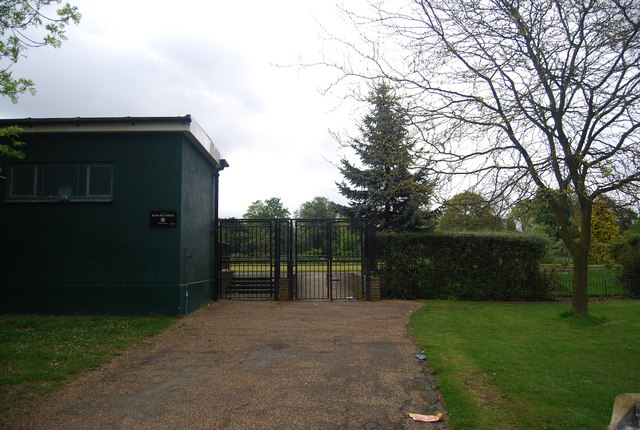
Entrance to the Bowling green, Dulwich Park
Wikimedia Commons · CC BY-SA 2.0
2024
Bowling Green, Southwark Park
Wikimedia Commons · CC BY-SA 2.0
Historical image not found
Today
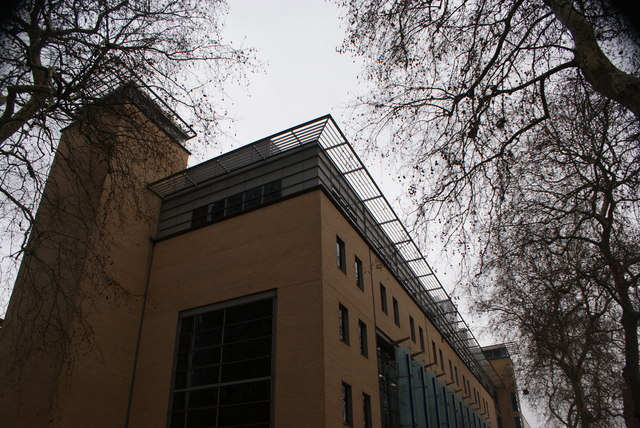
View of the New Hunt's House Library from the King's College Guy's Campus — near Bowling Green Place
Geograph · CC BY-SA 2.0

The street takes its character and its name from an unexpected source for such a crowded city district: an open recreation ground where men once played bowls.

✦   ✦   ✦
Name Origin

From Green to Street

Bowling Green Place takes its name from an 18th-century bowling green located here. A bowling green was a specially maintained stretch of finely cropped turf used for lawn bowling, a sport that flourished among the English leisured classes. The game was popular across England from the medieval period onwards, and by the 18th century, bowling greens were common features in towns and cities, often found near inns or as public recreational spaces. That Southwark, a densely settled commercial district south of the Thames, maintained such a green speaks to the demand for recreation even in London’s busy quarters.

When the area was developed for housing and commercial use, the green itself disappeared, but the street that now occupies the site carried forward its memory. The name became a permanent record of leisure lost to urban expansion.

✦   ✦   ✦
History

Sport, Space, and Settlement

The Southwark area has been densely populated and commercially active since at least the 12th century. Medieval pilgrims heading to Canterbury passed through the borough, merchants traded along the riverfront, and by the 17th century the district was home to theatres, taverns, and workshops. Yet pockets of open ground persisted even in the thickest urban fabric, and bowling greens were among them.

Key Dates
c. 1600s–1700s
Bowling Green Operates
Recreational bowling green in active use, serving local residents and visitors.
18th century
Height of Popularity
Lawn bowling reaches peak popularity as a leisure pursuit across England.
19th century
Urban Redevelopment
Bowling green closes as The Borough becomes increasingly built up with residential and commercial development.
19th century onwards
Street Established
Street named after the former green, preserving the site’s recreational heritage in the street register.
Did You Know?

Bowling greens were expensive to maintain. They required constant rolling and cutting to keep the turf smooth enough for play. In some areas, sheep were grazed on the grass to keep it cropped. Southwark’s willingness to maintain such a space shows the value placed on urban recreation even in a crowded medieval and early modern city.

The site itself reflected the social and economic forces of Southwark at different periods. In the 17th and 18th centuries, as London expanded and the commercial classes grew, leisure facilities like bowling greens were prized both for recreation and for the social gathering they enabled. Bowling was played at all social levels, from apprentices to merchants. But as the 19th century brought industrialization and population pressure, open ground became too valuable to leave to sport. The green was absorbed into the growing street pattern, and by the time the street was formally named, the green had already passed into memory.

✦   ✦   ✦
Culture & Character

Memory of Recreation

Today, Bowling Green Place stands in sharp contrast to what the name evokes. The street itself is purely urban, narrow and lined with buildings. Yet the name persists as a marker of recreational history in a part of London where such spaces have become rare. It is a reminder that cities have always needed places to play, even when those places eventually give way to other demands.

Street names across Southwark often commemorate lost landmarks and functions—inns, churches, ancient divisions of land. Bowling Green Place fits this pattern. It preserves not a building or a person, but an activity and a type of social life that the area once supported. That preservation in a street name is all that remains of the green.

✦   ✦   ✦
Today

In The Borough’s Heart

Bowling Green Place lies a short walk south of London Bridge station, within the immediate orbit of The Borough market and the tightly knit neighbourhood around it. The street is compact, serving primarily as a residential address with mixed-use buildings typical of inner Southwark.

2 min walk
London Bridge
Riverside open space and access to Thames Path.
5 min walk
Guy’s Hospital Garden
Historic courtyard garden attached to the historic teaching hospital.
10 min walk
Southwark Cathedral Churchyard
Quiet green space near the medieval cathedral.
12 min walk
St George's Gardens
Community green space with trees and benches.

The area is densely populated and highly connected, with numerous bus routes and the high footfall of The Borough and its market. What little open space exists is precious, and most is reserved for shopping, dining, and circulation rather than recreation. That makes the street’s name an even more pointed echo of what once stood there.

✦   ✦   ✦
On the Map

Bowling Green Place Then & Now

National Library of Scotland — Ordnance Survey 6-inch, c. 1888. Hosted by MapTiler. Modern: © OpenStreetMap contributors.

✦   ✦   ✦

Frequently Asked Questions

Why is it called Bowling Green Place?
The street takes its name from an 18th-century bowling green—a recreational ground used for lawn bowling—that once stood on or near this site. As Southwark developed and became more densely built, the green was eventually lost to urban development, but its memory was preserved in the street name.
What exactly was a bowling green?
A bowling green was a finely maintained stretch of turf, usually level or gently crowned, used for lawn bowling. It required constant care to keep the grass short and smooth. Bowling greens were popular across England from the medieval period through the 18th and 19th centuries, and were found in both urban and rural settings. They served as recreational and social gathering spaces.
What is Bowling Green Place known for?
Bowling Green Place is primarily known for preserving the memory of an 18th-century recreational ground in one of London’s oldest and most densely settled districts. Today it is a short residential street in The Borough neighbourhood, within easy reach of London Bridge station and The Borough market, standing as a living reminder that even busy commercial cities once made room for leisure.