Southwark London England About Methodology
The Borough · SE1

Ayres Street

A nursemaid’s selfless act in 1885 led to this street being renamed in her honour in 1936, commemorating one of London’s most celebrated acts of heroism.

Named After
Alice Ayres
Renamed
1936
Borough
Southwark
Last Updated
Time Walk

A Street Named for Bravery

This Borough side-street is defined by an act of heroism that transcended its time. The buildings here—particularly the Grade II listed Red Cross Cottages and the White Cross Cottages built by Octavia Hill—stand as testaments to Victorian philanthropic reform, but they live in the shadow of a name that speaks to sacrifice.

2009
Ayres Street
Ayres Street
Wikimedia Commons · CC BY-SA 3.0
2012
Ayres Street
Ayres Street
Wikimedia Commons · CC BY-SA 2.0
Historical image not found
Today
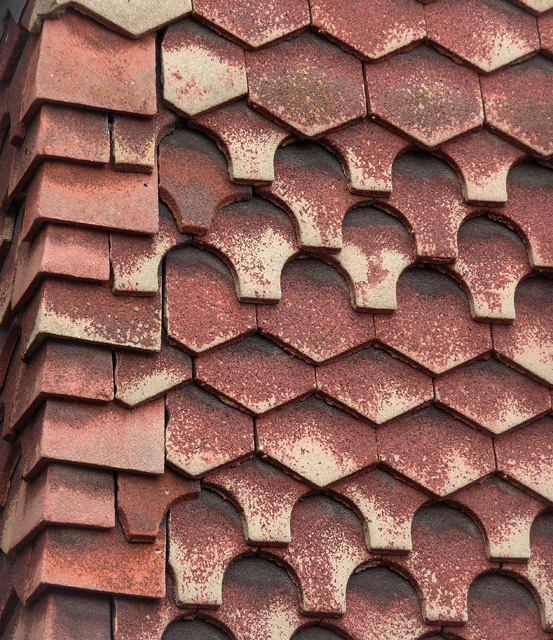
Detail of Whitecross Cottages, Ayres Street
Geograph · CC BY-SA 2.0

The street itself was originally called Whitecross Street, unremarkable in an area filled with descriptive place names. But it acquired its character and its identity when it was renamed, a decade after the old buildings were replaced, to honour someone who lived and died within yards of where it now stands. That name came not from a landowner or a grand institution, but from a young woman.

✦   ✦   ✦
Name Origin

The Girl Who Ran into the Fire

Alice Ayres (12 September 1859 – 26 April 1885) was an English nursemaid honoured for her bravery in rescuing the children in her care from a house fire. The Chandlers owned an oil and paint shop in Union Street, Southwark, and Ayres lived with the family above the shop. In 1885, a fire broke out in the shop, and Ayres rescued three of her nieces from the burning building, before falling from a window and suffering fatal injury.

In 1936 a street near the scene of the fire was renamed Ayres Street in her honour. The name was changed from Whitecross Street in tribute to Alice Ayres, who is also immortalised in Postman’s Park. The street honours not a historical figure or a founding family, but a young working-class woman whose final act of love became a public memorial.

How the name evolved
pre-1936 Whitecross Street
1936 Ayres Street
✦   ✦   ✦
History

From Whitecross to Victorian Reform

Before the street acquired its now-famous name, the corner of Union Street where Alice Ayres worked was unremarkable. The oil and paint shop where the fire broke out on 26 April 1885 was a modest family business. Ayres’ death, however, transformed the location into a symbol. The manner of Ayres’s death caused great public interest, with large numbers of people attending her funeral and contributing to the funding of a memorial. Ayres was given a large public funeral, attended by over 10,000 mourners. Her coffin was carried from her parents’ house to her grave in Isleworth Cemetery by a team of 16 firemen, relieving each other in sets of four.

Key Dates
1859
Birth
Alice Ayres born in London.
1885
The Fire
Fire breaks out at the Chandlers’ shop on Union Street. Alice Ayres rescues three children but dies from her injuries.
1890
White Cross Cottages
Octavia Hill builds model social housing cottages nearby, advancing Victorian housing reform.
1936
Street Renamed
Whitecross Street renamed Ayres Street to commemorate Alice Ayres and her heroism.
Did You Know?

Alice Ayres is one of only a handful of people to be commemorated both with a street name and a memorial tablet in Postman’s Park’s Memorial to Heroic Self-Sacrifice, making her one of London’s most formally honoured citizens.

The street’s later history is equally shaped by reform. White Cross Cottages were built in 1890 by social reformer Octavia Hill, to designs by Elijah Hoole, as model social housing. Hill was a reformer who campaigned for quality homes and open spaces for the poor. She began in 1864, leasing three slum properties in Marylebone, and had a portfolio of thousands of homes by the time of her death. Red Cross Cottages on Ayres Street are now listed buildings, a testament to British History Online records of Victorian residential heritage in Southwark.

✦   ✦   ✦
Culture

Housing, Heritage, and Memory

Ayres Street is home to two significant clusters of Victorian housing that represent different philosophies of reform. The Red Cross Cottages stand as Grade II listed structures, their fabric protected and their history preserved. The street name itself is an act of cultural memory, one of London’s few public dedications to a working-class woman who possessed extraordinary courage.

The street’s architectural character reflects the social movements that shaped it: Octavia Hill’s vision of respectable housing for working people, the institutional response to urban poverty, and the Victorian tendency to commemorate heroism through permanent public markers. Walking down this narrow lane, one encounters not a grand narrative but a human one—a story of care, duty, and the lasting power of a single act of selflessness.

Listed Heritage
Red Cross Cottages

Grade II listed cottages built as part of Octavia Hill’s housing reform programme. They represent a significant chapter in Victorian philanthropic architecture and remain important examples of 19th-century social housing design.

✦   ✦   ✦
Today

A Living Memorial

Ayres Street today is a residential side-street in the Borough neighbourhood, quiet and unremarkable to those passing through. Yet for those who take time to observe, it tells a coherent story: from the modest working-class street it once was, to the reformed housing it became, to a name that speaks to an act that still moves people more than a century later. The street bears the weight of memory with unusual grace.

The proximity to Union Street, where the fire occurred, keeps the story rooted in place. Modern Ayres Street residents and visitors to the Borough continue to walk past the spot where a young woman made a choice that ended her life but gave her an immortal name. That legacy is subtle but unmissable: a street name is democracy’s simplest and most enduring form of commemoration.

Green Space
Trinity Church Square
Minutes walk north; Victorian gardens with mature trees and a statue of Alfred the Great.
Riverside
Thames Path
10-minute walk east; public riverside access with views of Southwark Bridge and the City.
✦   ✦   ✦
On the Map

Ayres Street Then & Now

National Library of Scotland — Ordnance Survey 6-inch, c. 1888. Hosted by MapTiler. Modern: © OpenStreetMap contributors.

✦   ✦   ✦

Frequently Asked Questions

Why is it called Ayres Street?
Ayres Street is named after Alice Ayres, a local nursemaid who died rescuing three children from a burning building on Union Street in 1885. The street was originally called Whitecross Street but was renamed Ayres Street in 1936 to honour her bravery. Alice Ayres is also commemorated with a memorial tablet in Postman’s Park.
When was the street renamed?
Ayres Street was renamed in 1936, 51 years after Alice Ayres’s death. The previous name was Whitecross Street. The delay in renaming reflects the time it sometimes takes for public commemoration to crystallise, though Alice Ayres received immediate public recognition at her funeral in 1885.
What is Ayres Street known for?
Ayres Street is known for the Red Cross Cottages, Grade II listed Victorian housing built as part of Octavia Hill’s pioneering social housing reforms. The street’s name itself, commemorating a heroic act of selflessness, makes it one of London’s more meaningful street dedications, connecting local bravery to lasting public memory.