Time Walk
From the River to King Street
Black Lion Lane runs north through Hammersmith from the River Thames to King Street, passing a cluster of early nineteenth-century listed terraces that have survived the twentieth century almost intact. The Regency elegance of St Peter’s Square opens immediately to the west, and the Anglican St Peter’s Church stands on the lane itself. The Great West Road, driven through in the 1930s, severed the lane’s southern end—what lies below is now known as South Black Lion Lane.
2013

Black Lion Lane, Hammersmith
Wikimedia Commons · CC BY-SA 2.0
2018

26 and 28 Black Lion Lane
Wikimedia Commons · CC BY-SA 4.0
—
Historical image not found
Today
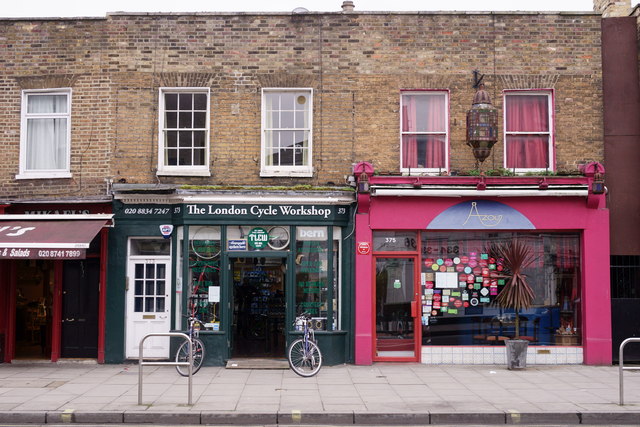
Hammersmith — near Black Lion Lane
Geograph · CC BY-SA 2.0
The southern stub still leads down to the Thames towpath and to the pub that gave the entire street its identity. That name did not fall on the lane by accident.